President Alimi Commends Judiciary’s Role in Strengthening Rule of Law and National Security

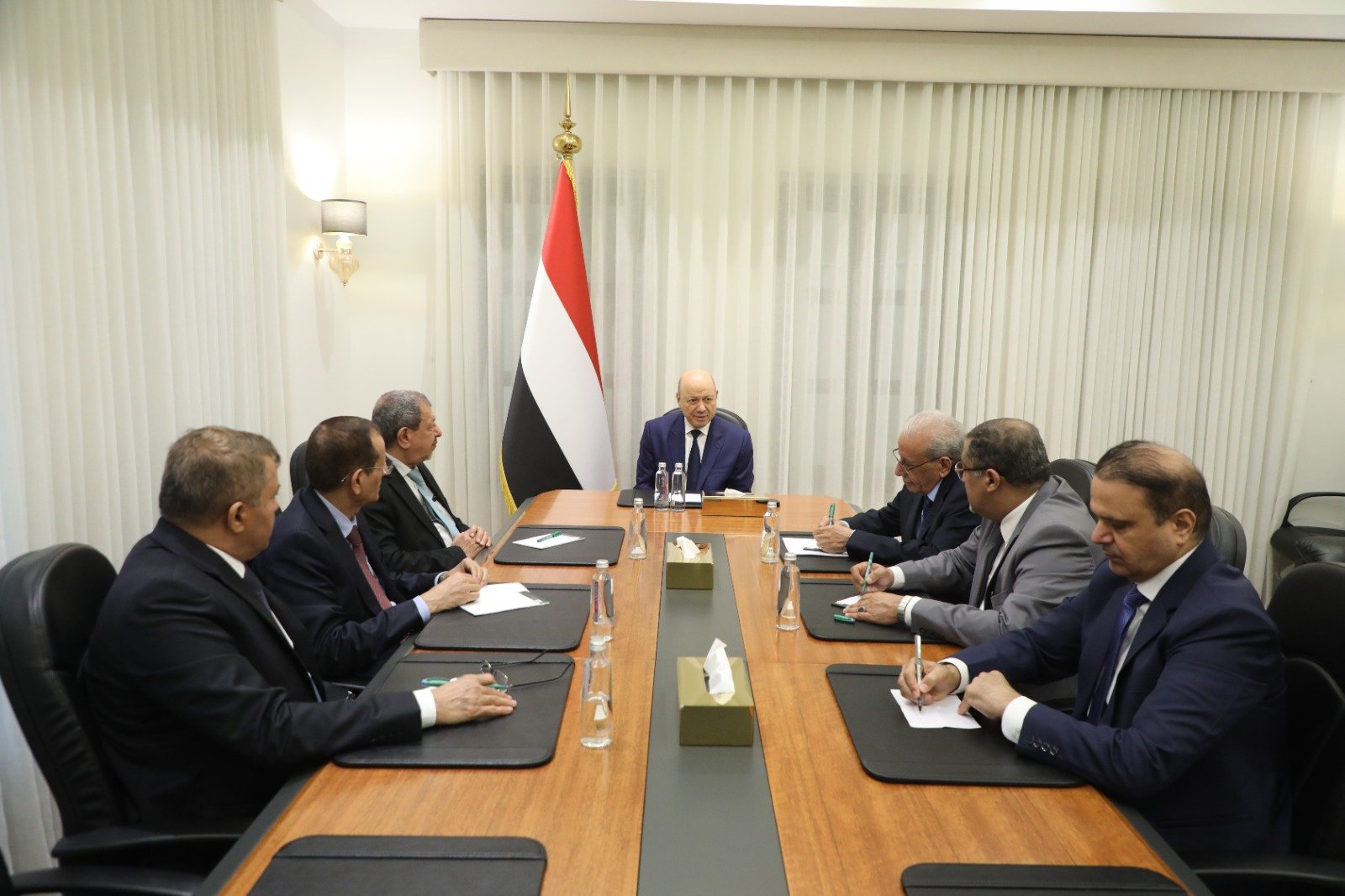
- President Alimi met with judicial leaders to discuss legal reforms and performance.
- He praised the judiciary's role in upholding the rule of law and public order.
- The President emphasized the need for unified security and military decisions for effective governance.
- Alimi acknowledged security forces' efforts in combating terrorism and ensuring societal stability.
President Alimi Meets with Judicial Leaders
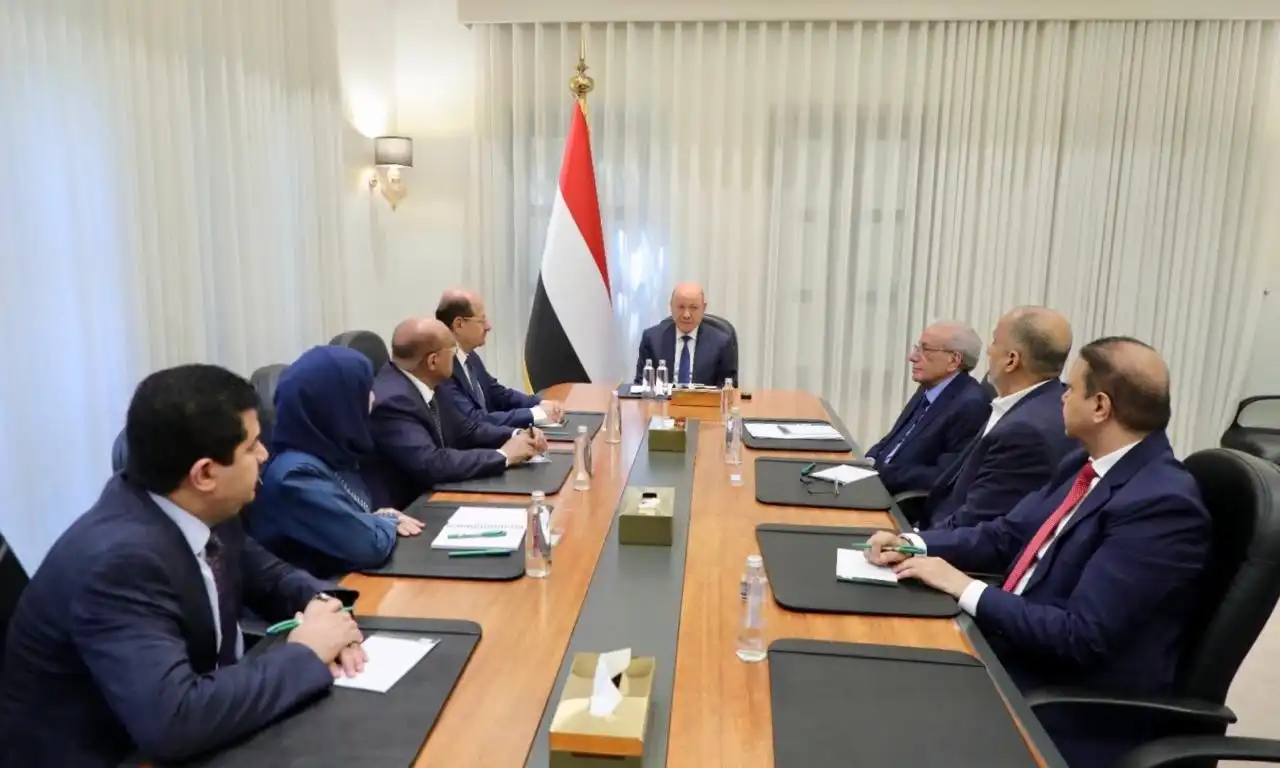
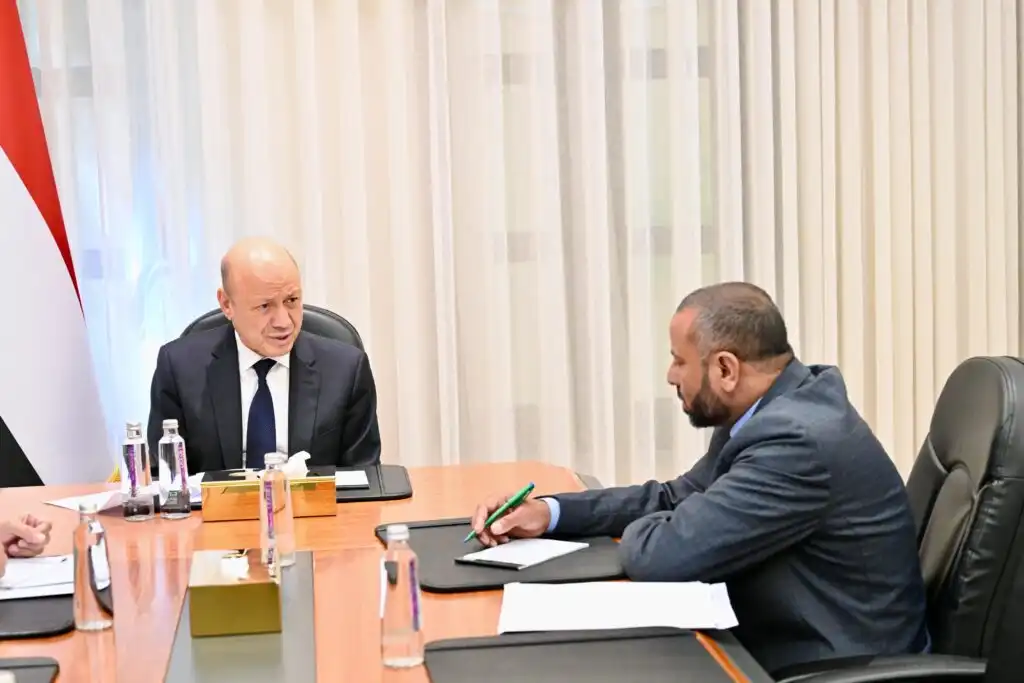
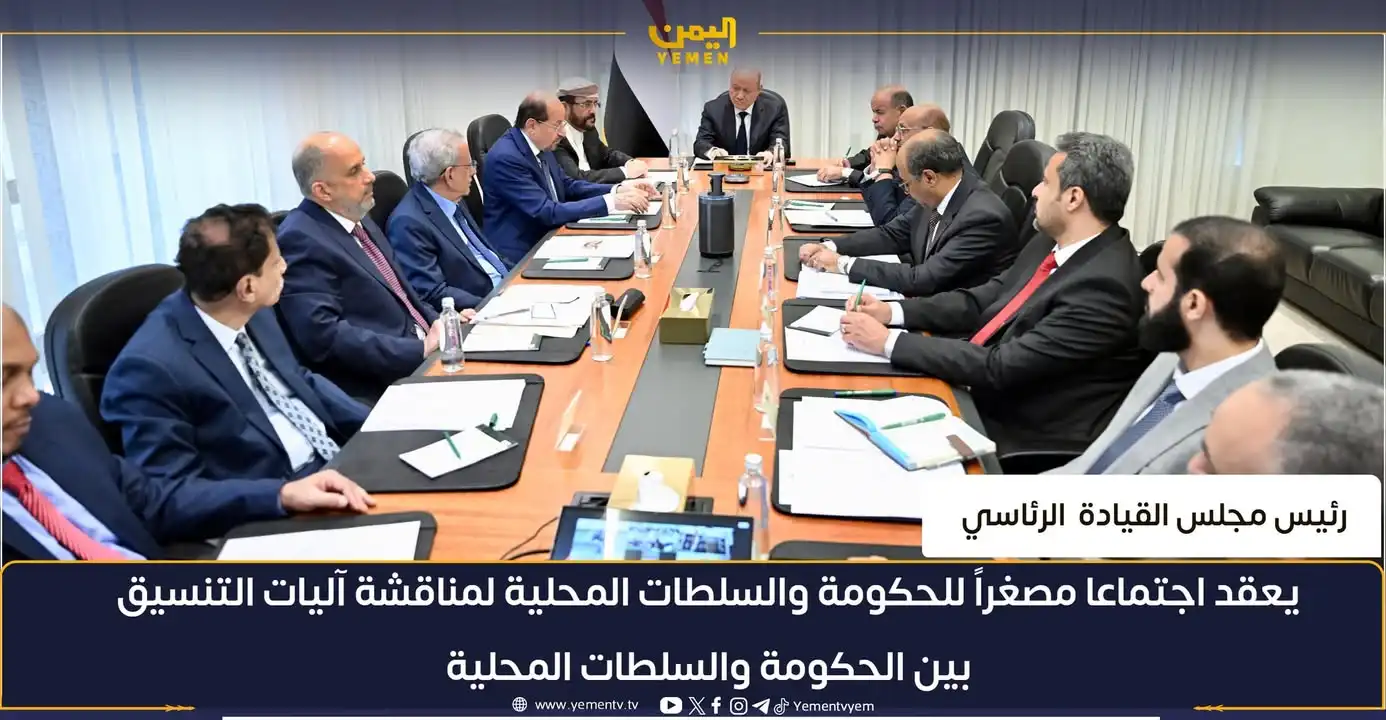
On Sunday, President Dr. Rashad Mohammed Alimi, head of the Presidential Leadership Council, held a significant meeting with prominent figures in Yemen’s judiciary. The attendees included Chief Justice Mohsen Yahya Taleb, Supreme Court President Dr. Ali Al-Awash, Minister of Justice Judge Badr Al-Aradah, and Attorney General Qaher Mustafa. This gathering underscored the government’s commitment to judicial reforms and the rule of law.
Judiciary’s Performance and Acknowledgment
During the meeting, President Alimi received a comprehensive briefing on the judiciary’s performance over the preceding period. He was informed about ongoing cases across various judicial circuits and the essential role judges play in reinforcing the state’s presence and upholding the rule of law. The President expressed his appreciation for the judiciary’s resilience and achievements, commending the Judicial Council’s pivotal role in safeguarding public order, protecting rights and freedoms, and ensuring justice.
He emphasized that the judiciary serves as the first line of defense against corruption and is vital for fostering public trust in state institutions.
Government Reforms and Security Coordination
In his address, President Alimi updated the judicial leadership on recent developments, including the formation of a new government as part of a comprehensive reform agenda. This initiative aims to enhance institutional performance and transition towards a functional state capable of enforcing public order and the rule of law.
The President highlighted the importance of unified security and military decisions, marking this as a strategic turning point for the judiciary. He asserted that a cohesive relationship among law enforcement agencies is crucial for establishing the state’s authority. Alimi called for an end to institutional overlaps and dysfunction, advocating for an effective model in liberated provinces characterized by institutional efficiency and prompt justice.
Furthermore, the President praised the substantial efforts of security agencies in supporting the judiciary, particularly their roles in apprehending terrorist elements and dismantling sabotage cells. He recognized recent successes that demonstrate the high levels of readiness, professionalism, and coordination among law enforcement agencies.
In light of recent tragic events, President Alimi extended heartfelt condolences to the family of businessman Abdulrahman Al-Shaer, who lost his life to terrorist gunfire. He assured that such heinous acts will not go unpunished, reaffirming the state’s commitment to pursuing the perpetrators and delivering justice.
Reiterating the judiciary’s central role in the reform agenda, the President called for expedited case resolutions, enhanced integrity, transparency, and the activation of judicial oversight to combat corruption. He emphasized the importance of close coordination between the Judicial Council and the executive and legislative branches, underscoring the need to respect the principle of separation of powers while enhancing functional integration to serve the public interest.
In conclusion, President Alimi expressed gratitude for the unwavering support from the Kingdom of Saudi Arabia towards Yemen’s judiciary, highlighting this as a testament to their commitment to strengthening and rebuilding Yemen’s state institutions. He also extended congratulations to the leadership of Saudi Arabia, including King Salman bin Abdulaziz and Crown Prince Mohammed bin Salman, for the significant achievements under Vision 2030, which has facilitated major transformations in the Kingdom.