President Alimi Leads Government Meeting to Address Key Priorities
Yemen’s Leadership Focuses on Economic Reforms and Humanitarian Efforts
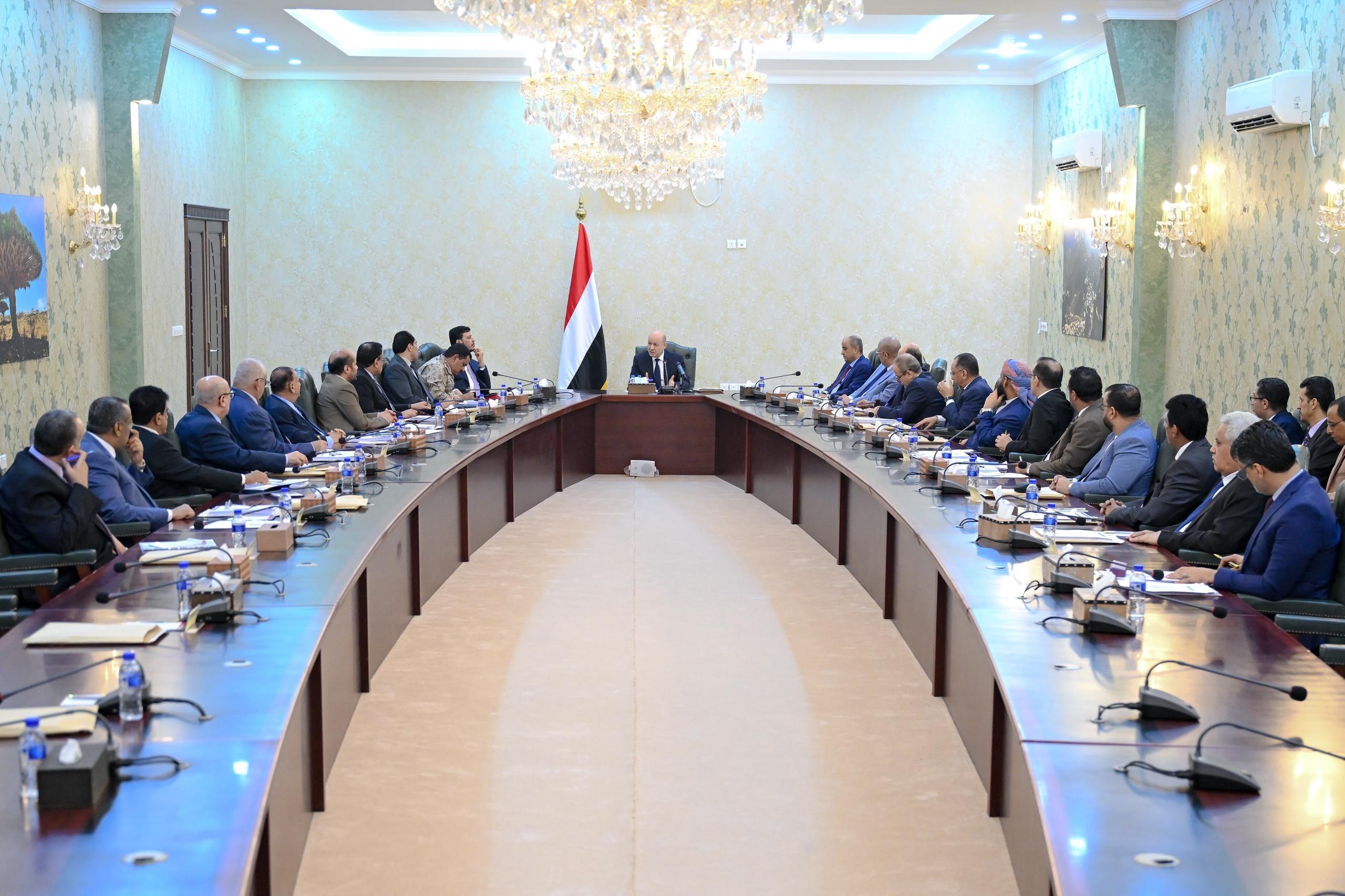
On Sunday, President Dr. Rashad Mohammed Alimi, head of the Presidential Leadership Council, convened a government meeting at the Maasheeq Palace. The session included Council member Dr. Abdullah Alimi Baowzir and Prime Minister Salem Saleh Bin Brek. The primary focus was to discuss the current priorities and support the government’s efforts to implement comprehensive reforms in Yemen.
Celebrating Independence Day
At the beginning of the meeting, President Alimi congratulated the Yemeni people and the government on the occasion of Independence Day. He expressed hopes that this significant day would bring the nation closer to achieving its aspirations for security, stability, and peace.
Addressing Key Challenges
President Alimi emphasized the need to concentrate on three main issues during this critical phase. First, he highlighted the importance of ensuring salaries, services, and the availability of essential goods. Second, he stressed the necessity of maintaining security and safety. Third, he called for unified efforts to tackle the ongoing challenges, urging the government to avoid wasting time on secondary issues.
Economic Reforms as a Priority
The President declared that economic reforms represent the government’s top priority. He described these reforms as a true test of the state’s ability to fulfill its constitutional and legal responsibilities. He stated, “We are here today to share the responsibility of advancing the implementation of Council Decision No. 11, which mandates the government to unify all revenues and deposit them into the Central Bank’s general account, while preventing collections outside legal channels.”
Resource Development and Budget Planning
President Alimi urged the government to enhance and diversify resources, including adjusting customs dollar rates and adhering strictly to the timely submission of the public budget. He also directed the government to conduct a comprehensive inventory of state properties, including land, real estate, and leased assets, and to develop a plan to convert these into actual resources. Additionally, he proposed studying the establishment of a sovereign fund to manage and develop these assets according to international governance standards.
Strengthening Monetary Policy
The President underscored the shared responsibility for reforming monetary policy and supporting the independence of the Central Bank. He emphasized the need for effective market management, enhanced banking oversight, and regulation of money exchange companies in coordination with law enforcement authorities.
Humanitarian Challenges
During the meeting, President Alimi addressed the pressing humanitarian and relief challenges facing Yemen. Recent reports indicate that over 17 million Yemenis require assistance, with some restrictions reported on the flow of humanitarian aid and international organization activities. He stressed the importance of securing humanitarian operations, removing obstacles for relief organizations, and facilitating their movements and necessary permits.
Establishing a National Relief Authority
To streamline humanitarian efforts, President Alimi called for the expedited establishment of a national relief authority. This initiative aims to eliminate overlapping responsibilities and ensure effective oversight and accountability in humanitarian work.
Security Achievements
The President commended the security achievements made in recent months, including the apprehension of several terrorist cells linked to the Houthi militias, as well as the interception of smuggled Iranian weapons and drugs. He asserted that advancing economic, financial, administrative, and institutional reforms requires a robust security and judicial system. “You cannot build an economy in a fragile security environment, nor can you foster development or investment without an independent judiciary,” he stated.
Collaboration Between Council and Government
President Alimi discussed the collaborative relationship between the Council and the government, emphasizing the need to implement Decision No. 11. He stressed the importance of maintaining the independence of the executive authority, avoiding dual directives, and respecting institutional hierarchy.
Acknowledging International Support
The President acknowledged the role of the Saudi-led coalition in supporting Yemen’s legitimacy. He recognized their efforts in maintaining the cohesion of the Yemeni state and its institutions during this transitional phase. He described this support as an investment in Yemen’s stability and the region’s future.
Empowering Women in Governance
In his remarks, President Alimi highlighted the crucial role of Yemeni women in resilience and nation-building. He criticized the absence of women in decision-making positions, stating, “It is unjust to expect women to bear burdens while excluding them from leadership roles.” He called for immediate action to rectify this imbalance, emphasizing that women should hold ministerial positions in a country where they represent over half the population.
Conclusion
President Alimi concluded by urging the government to enhance diplomatic efforts to advocate for Yemen’s interests, especially in light of the classification of Houthi militias as a terrorist organization. He called for documenting their human rights violations and working towards the release of detainees in areas under their control.
This meeting marks a significant step in addressing Yemen’s pressing challenges and underscores the leadership’s commitment to reform and humanitarian support.
To follow the news in Arabic