An international report reveals, with data, the false claims regarding the blockade of ports controlled by Houthi militias.

Significant Increase in Wheat Imports to Houthi-Controlled Ports
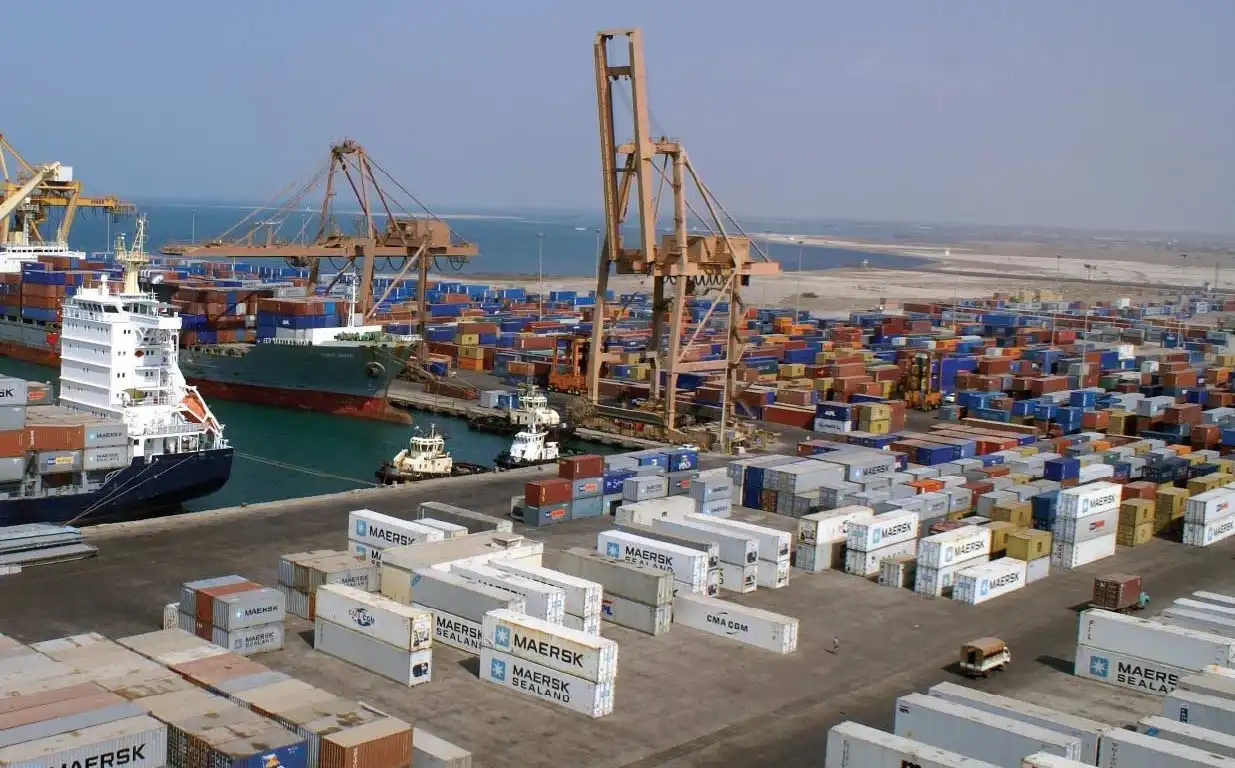
Recent data from the Food and Agriculture Organization (FAO) reveals a substantial rise in wheat imports to ports under Houthi control during June. This finding directly contradicts the group’s claims of a “blockade” hindering the flow of imports to these ports.
Record Wheat Imports Through Al Hudaydah, Salif, and Ras Issa
According to the FAO report, wheat imports through the Al Hudaydah, Salif, and Ras Issa ports surged by 73% compared to the previous month and by 72% compared to the same period last year. This data confirms that import activities continue without any restrictions. In contrast, wheat imports through Aden and Mukalla saw only a modest increase of 16% month-on-month and 12% year-on-year, remaining below 2% compared to the average of the past three years.
Sharp Decline in Fuel Imports to Houthi Ports
The FAO report also highlighted a significant drop in fuel imports to Houthi-controlled ports, decreasing by 28% monthly, 68% annually, and 73% compared to the three-year average. The report attributes this decline to a halt in fuel shipments, although economic and government sources informed Asharq Al-Awsat that this downturn relates to several factors:
- U.S. sanctions on companies and vessels dealing with the Houthis.
- A decrease in Iranian oil shipments due to tensions between Tehran and Washington.
- Damage to the Ras Issa port infrastructure from Israeli strikes.
Impact on Local Markets and Rising Fuel Prices
The decline in fuel imports has significantly affected local markets, particularly in liberated areas, where fuel prices have risen as follows:
- Diesel: Increased by 19% monthly, 13% annually, and 43% compared to the three-year average.
- Gasoline: Rose by 4% monthly, with a 5% annual decrease, yet remained 15% above the three-year average.
Increased Production Costs and Basic Services
The FAO confirmed that rising fuel prices have led to increased costs in various sectors, including:
- Agriculture
- Water production
- Electricity
- Transportation
- Food supply chains
These rising costs exacerbate the financial strain on Yemeni households and deepen the country’s economic crisis.
The findings from the FAO provide critical insights into the current state of imports and economic conditions in Yemen, challenging the narrative surrounding the blockade and highlighting the ongoing challenges faced by the population.
To follow the news in Arabic