- Leaders from the Ministry of Agriculture convened in Aden to enhance cooperation with the EU and FAO.
- Participants emphasized the importance of partnerships with donors to strengthen agriculture and fisheries.
- The EU is recognized for its significant role in supporting Yemen's development projects amid challenges.
- Shahra Naqshbandi reaffirmed the EU's commitment to sustainable development and improving livelihoods.
Strengthening Agricultural Cooperation in Yemen
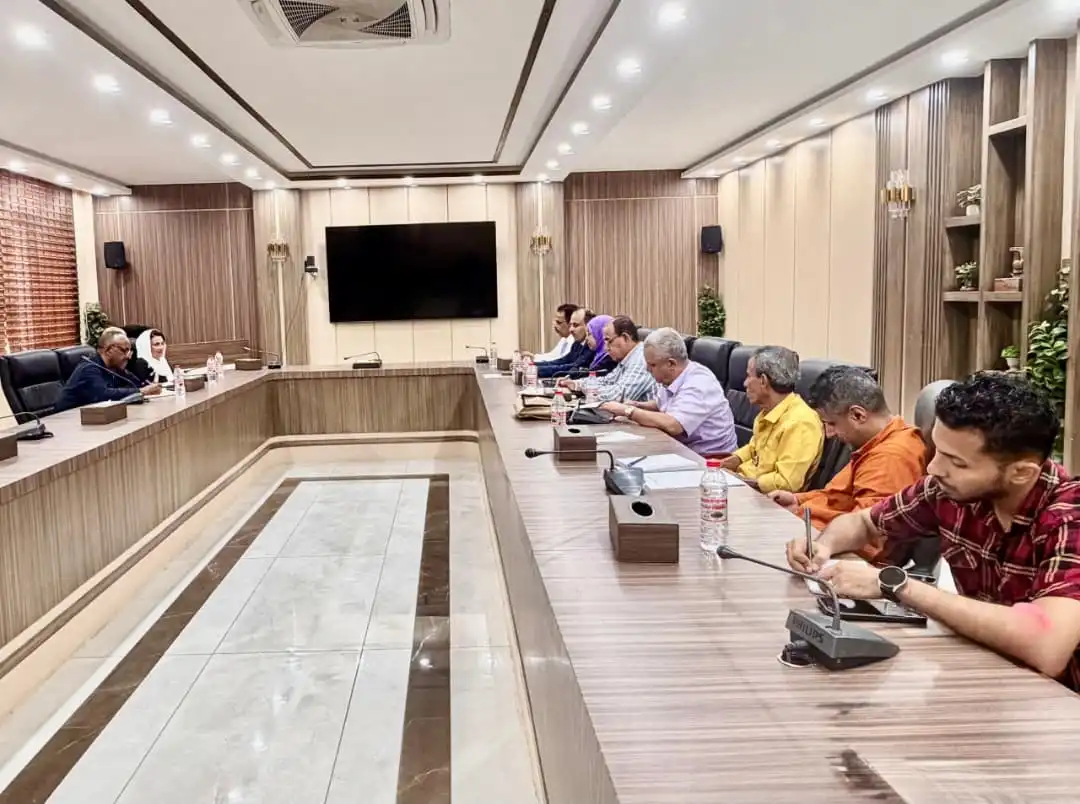
ADEN, Yemen – Today, leaders from the Ministry of Agriculture, Irrigation, and Fisheries convened in Aden, the temporary capital of Yemen, to explore enhanced collaboration with Shahra Naqshbandi, a program officer from the European Union, and Alimo Mani, a senior advisor from the Food and Agriculture Organization (FAO). This meeting aimed to address critical issues related to food security and the livelihoods of Yemeni citizens.
Collaborative Efforts in Agriculture and Fisheries
The gathering included the ministry’s undersecretaries, several general directors, and specialists in various fields. Participants underscored the ministry’s ongoing initiatives to bolster cooperation in agriculture and fisheries. They emphasized the necessity of establishing effective partnerships with international donors, particularly the European Union, which is recognized as one of Yemen’s most significant development partners.
EU’s Role in Development Projects
Ministry leaders acknowledged the European Union’s substantial contributions to development projects, particularly in light of the challenges currently affecting the agricultural and fishery sectors. They pointed out the pressing need for improved technical support in areas such as institutional building, capacity development, statistical systems, and conducting comprehensive studies of fish stocks to guide informed decision-making.
Shahra Naqshbandi, the EU program officer, reaffirmed the Union’s dedication to supporting initiatives aimed at developing productive sectors and promoting sustainable development programs. She highlighted the EU’s focus on fostering peace and security, enhancing economic development, and facilitating community recovery.
Naqshbandi also noted that the EU’s interventions have progressively transitioned from purely humanitarian assistance to supporting sustainable development projects in agriculture, water management, and job creation. This collaborative effort reflects a shared commitment to improving the livelihoods of Yemen’s citizens through sustainable agricultural practices and effective partnerships.