Fatah Dominates Municipal Elections in the West Bank, Affirming Its Local Governance Influence

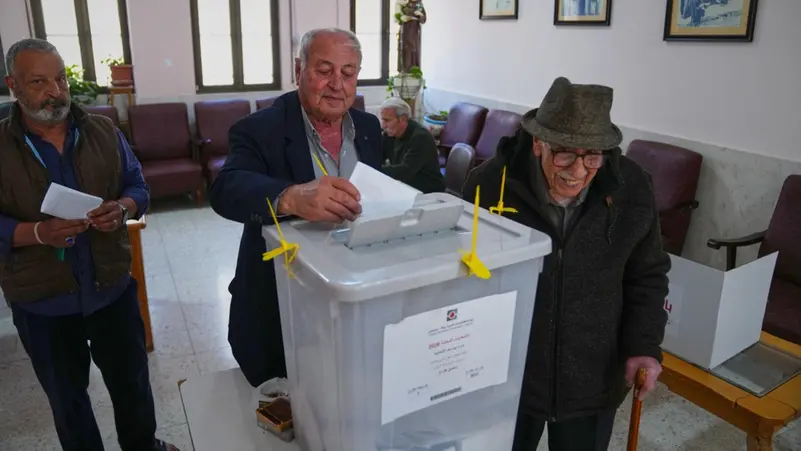
- Fatah leads municipal elections, dominating results in major West Bank cities.
- The official list "Resilience and Giving" performed well in Hebron, Tulkarem, and Salfit.
- Voter turnout in the West Bank was 53.4%, contrasting with 22.7% in Deir al-Balah.
- Hamas's absence raises concerns about the impact on municipal service provision.
Fatah Dominates Municipal Election Results in the West Bank
In a significant demonstration of political influence, Fatah has emerged as a dominant force in the recent municipal elections held across several major cities in the West Bank. The Palestinian Central Elections Commission has reported that approximately 95% of the votes have been counted, revealing Fatah’s strong performance.
Clear Victory for Fatah in Major Cities
Preliminary results indicate that Fatah’s official electoral list, titled “Resilience and Giving,” has taken a commanding lead in Hebron, the largest city in the West Bank. The movement has also secured notable victories in Tulkarem and Salfit, reinforcing its strong presence in these areas.
In other cities such as Ramallah and Nablus, Fatah-affiliated lists won uncontested due to the absence of rival candidates. This situation underscores the political dominance of Fatah in these regions, as these lists either belonged to Fatah or were closely aligned with its objectives.
Close Competition and Voter Participation
In Jenin, the electoral battle was particularly close, with Fatah winning 6 out of 15 available seats, resulting in a tie with an independent list named “Jenin.” Some young supporters of Fatah expressed a mixed response to this outcome, interpreting it as a setback for the movement, which reflects a division of opinions regarding Fatah’s performance in the city.
Overall voter turnout across the West Bank reached 53.4%. In stark contrast, the participation rate in Deir al-Balah, located in the central Gaza Strip, was notably low at 22.7%, marking its first electoral participation since the onset of conflict. These figures highlight a climate of political and social instability in certain areas.
Most electoral lists were either affiliated with Fatah or comprised of independents, while Hamas notably abstained from the electoral process. This absence raises critical questions about the potential impact on municipal services amid ongoing political pressures.
Municipal Services Under Political Strain
Voter concerns have been voiced regarding the potential implications of Hamas’s absence from the elections on the provision of essential municipal services. Political competition is crucial for enhancing public service conditions, and the current situation necessitates serious interventions to adequately address the needs of citizens.
For more details, visit the full article on Yemen TV.