Sultan Al-Aradah Engages with U.S. Charge d’Affaires on Yemen’s Political and Military Landscape

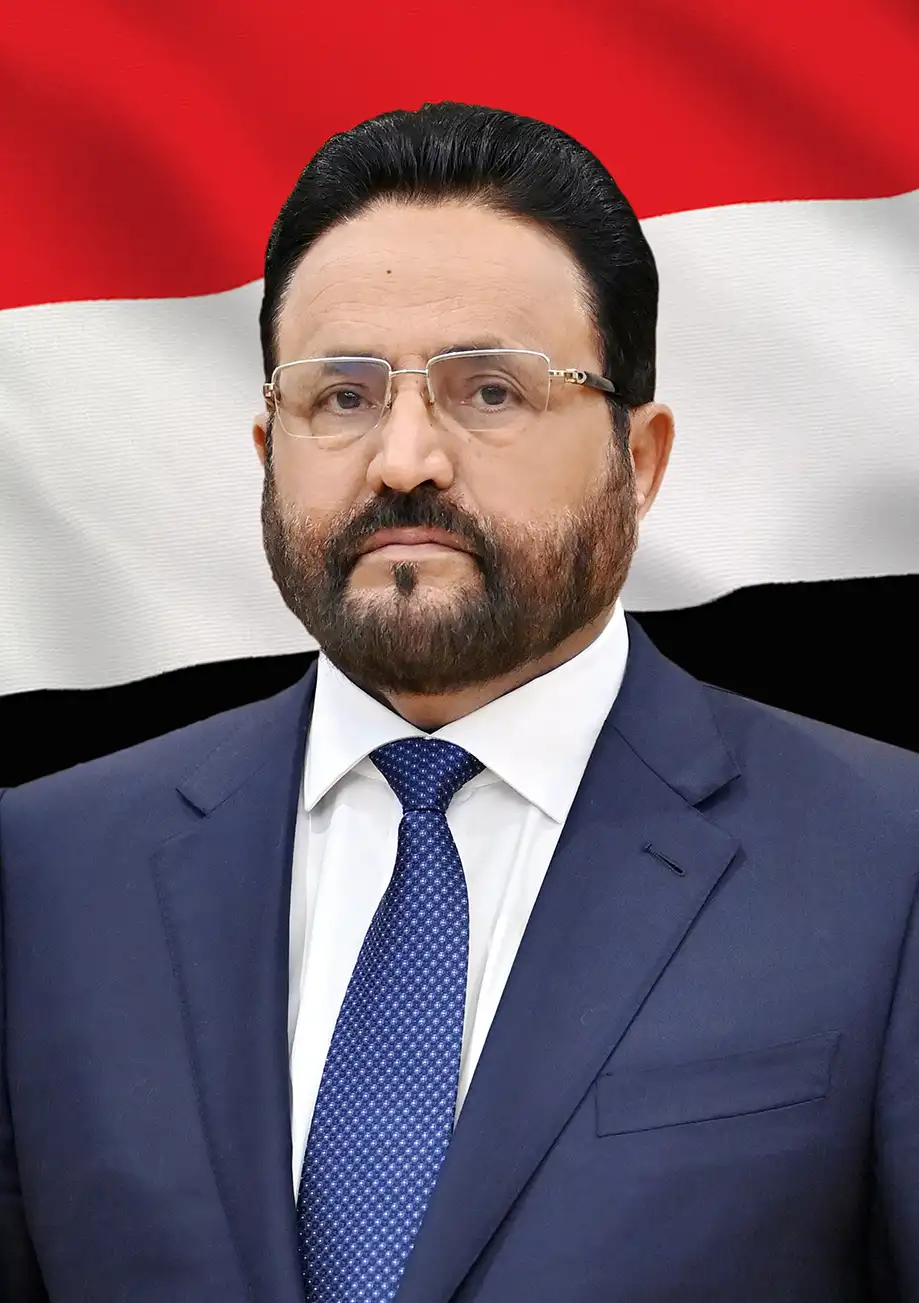
- Sultan Al-Aradah met with U.S. Charge d'Affaires Niel Hope to discuss Yemen's situation.
- They addressed military, political, and economic developments impacting Yemen's stability.
- Al-Aradah emphasized the need for stronger international partnerships to support state institutions.
- Niel Hope reaffirmed U.S. support for the Yemeni government and its initiatives against Houthi threats.
Sultan Al-Aradah Discusses Yemen’s Current Situation with U.S. Charge d’Affaires
Virtual Meeting Addresses Military, Political, and Economic Developments
Today, Sultan Al-Aradah, a member of the Presidential Leadership Council, conducted a virtual meeting with Niel Hope, the U.S. Charge d’Affaires in Yemen. Their discussion focused on the latest military, political, security, and economic developments in Yemen, as well as the implications of regional changes for the country’s stability.
Reviewing Yemen’s Challenges
During the meeting, Al-Aradah and Hope reviewed the current situation in Yemen, placing particular emphasis on the leadership’s efforts to tackle ongoing challenges. The dialogue highlighted the escalating actions of the Iran-backed Houthi militia, which continues to target state institutions and vital facilities. These actions have led to significant security, humanitarian, and economic repercussions, further complicating Yemen’s path to recovery.
Strengthening International Partnerships
Al-Aradah asserted the urgent need for a more effective international partnership to bolster state institutions. He emphasized the unity and cohesion within the Presidential Leadership Council and the government in confronting various challenges. This solidarity enhances the state’s ability to address risks and unify efforts across sectors, ultimately aiding in the restoration of its authority throughout the nation.
The member of the Presidential Leadership Council also stressed that the security of the Red Sea and Bab al-Mandab is a shared responsibility. He called for increased political and economic pressure on the militias to curtail their funding and arms supply, aiming to eliminate threats to both regional and global security.
Moreover, Al-Aradah underscored the importance of supporting Yemen’s national economy and maintaining currency stability. He urged the government to fulfill its commitments to citizens by providing essential services and strengthening vital sectors, as economic stability is crucial for establishing security and normalizing conditions in Yemen.
He further noted that the ongoing instability in Yemen has repercussions that extend beyond its borders, impacting regional security and international maritime routes. This situation necessitates continued effective cooperation and coordination between Yemen and the international community to address shared risks and threats.
In response, Niel Hope reaffirmed the United States’ support for the Presidential Leadership Council and the Yemeni government. He expressed the U.S. commitment to enhancing the capabilities of state institutions in tackling security, economic, and humanitarian challenges. Hope emphasized the importance of ongoing communication and collaboration to counter threats to Yemen and the region and to limit the funding and arming of the Houthi militia.
This meeting underscores the critical need for international cooperation in addressing Yemen’s multifaceted challenges and ensuring the country’s stability and security.