DDR4 and DDR3 memory prices have declined as pressures in the global memory market ease.

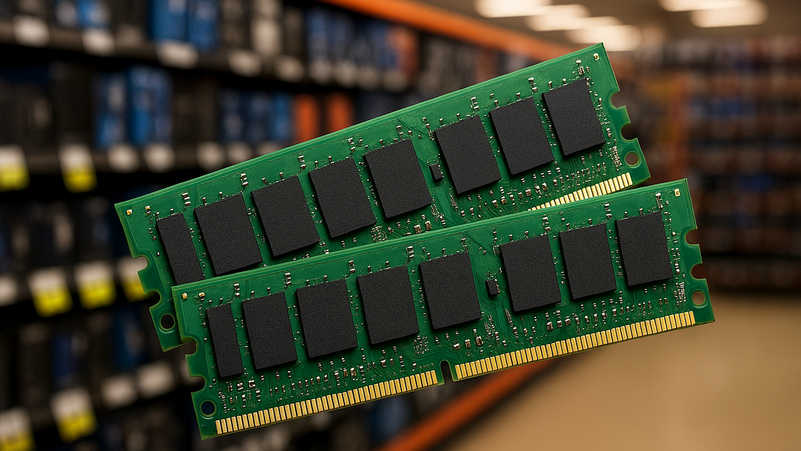
- Decline in DDR4 and DDR3 Memory Prices Signals Relief in Global Memory Market The computer memory market has begun to show initial signs of easing price pressures that characterized 2026.
- Market Trends and Consumer Behavior Market research firm TrendForce reported that this shift stems from increased caution among buyers due to uncertainty surrounding data center policies and geopolitical tensions.
- The report highlighted that rising prices in recent months prompted many consumers to postpone buying new memory or upgrading their devices.
- Price Changes and Future Outlook Prices for key DDR4 chips recorded a weekly decline of approximately 1.6 percent, while demand pressures in the consumer memory market persisted.
Decline in DDR4 and DDR3 Memory Prices Signals Relief in Global Memory Market
The computer memory market has begun to show initial signs of easing price pressures that characterized 2026. Prices for DDR4 and DDR3 memory units have decreased after months of sharp increases, which significantly raised the costs of upgrading computers and assembling new devices.
Market Trends and Consumer Behavior
Market research firm TrendForce reported that this shift stems from increased caution among buyers due to uncertainty surrounding data center policies and geopolitical tensions. As a result, many companies have reduced their purchases and reevaluated demand forecasts for the upcoming period.
The report highlighted that rising prices in recent months prompted many consumers to postpone buying new memory or upgrading their devices. Consequently, this led to a decline in demand, pushing distributors to focus on clearing existing inventory rather than purchasing additional stock at elevated prices.
Price Changes and Future Outlook
Prices for key DDR4 chips recorded a weekly decline of approximately 1.6 percent, while demand pressures in the consumer memory market persisted. In contrast, modern DDR5 memory is still expected to see price increases in the coming year, albeit at a slower pace than previously estimated.
TrendForce attributed ongoing fluctuations to major memory manufacturers, including Samsung, SK Hynix, and Micron, allocating an increasing portion of their production capacity to high-bandwidth memory (HBM) used in artificial intelligence applications and data centers, at the expense of traditional memory production.
Despite ongoing challenges, forecasts indicate an improvement in the balance between supply and demand in the near future, which may help alleviate price pressures in the global memory market.
To follow the news in Arabic