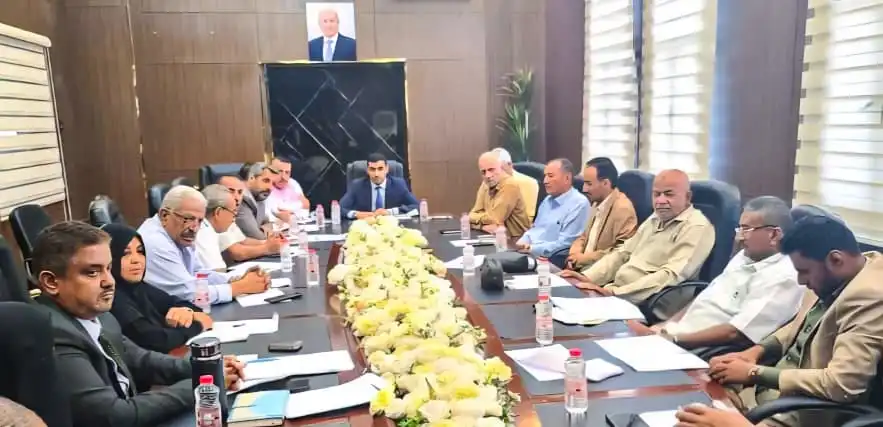
The Governor of Lahij discusses with the World Food Program and Doctors Without Borders expanding humanitarian and medical response for displaced people and affected areas.

- This situation has led to an influx of families relocating to the Al-Hawtah and Tuban districts.
- Ali Al-Alaqmi, Secretary-General of the Local Council in Al-Madaribah and Ras Al-Arah.
- Establishing Local Response Structures Governor Al-Halimi stressed the need to establish a specialized local structure equipped with planning and response tools.
- They focused on enhancing surgical and emergency services and addressing cases arriving from conflict zones.
Governor of Lahij Discusses Humanitarian Response with World Food Programme and Doctors Without Borders
On Wednesday, Governor Murad Al-Halimi of Lahij met with a delegation from the United Nations World Food Programme (WFP), led by the Programme’s Yemen Office Director, Muhammad Akhlaq Al-Rahman. They discussed strategies to address the humanitarian consequences resulting from waves of displacement in the Al-Sabiah region due to the military escalation by the Houthi militia and its ongoing violations against civilians in the Al-Madaribah and Ras Al-Arah districts. This situation has led to an influx of families relocating to the Al-Hawtah and Tuban districts.
Overview of Humanitarian Interventions
During the meeting, the participants reviewed the nature of the interventions carried out by the WFP in the field of food relief. They highlighted the increasing needs of the incoming families, the mechanisms for beneficiary registration, and the procedures for delivering and distributing food baskets. These efforts aim to accommodate the growing population and the challenging living conditions faced by the displaced individuals in their new residences.
Importance of Long-Term Planning
The meeting included Dr. Khalid Jaber, Director of the Public Health and Population Office in Lahij, Omar Al-Samati, Director of the Executive Unit for Managing Displaced Camps, and Dr. Ali Al-Alaqmi, Secretary-General of the Local Council in Al-Madaribah and Ras Al-Arah. Governor Al-Halimi emphasized the crucial role of the WFP and international organizations in addressing the humanitarian crisis caused by the militia’s escalation.
He clarified that the local authority in Lahij does not view these developments as a temporary relief need but rather as an extended humanitarian situation. This perspective requires long-term institutional arrangements capable of adapting to changes and preparing for further emergencies. He pointed out that the local authority is currently working on establishing a comprehensive and specialized center for managing strategic humanitarian work. This center will serve as an institutional framework for coordinating response efforts, planning, and dealing with emergencies, rather than relying on limited capacities and fragmented arrangements.
Establishing Local Response Structures
Governor Al-Halimi stressed the need to establish a specialized local structure equipped with planning and response tools. This structure would enable the management of humanitarian interventions according to a more effective and sustainable strategic vision. He acknowledged the WFP’s role in supporting affected families and providing food assistance amid the exceptional circumstances in Lahij.
He also noted the local authority’s commitment to facilitating the WFP’s operations and overcoming any challenges that may hinder the implementation of its programs. This commitment ensures that aid reaches those in need and maintains collaboration with international partners to address the escalating burdens.
Collaboration with Doctors Without Borders
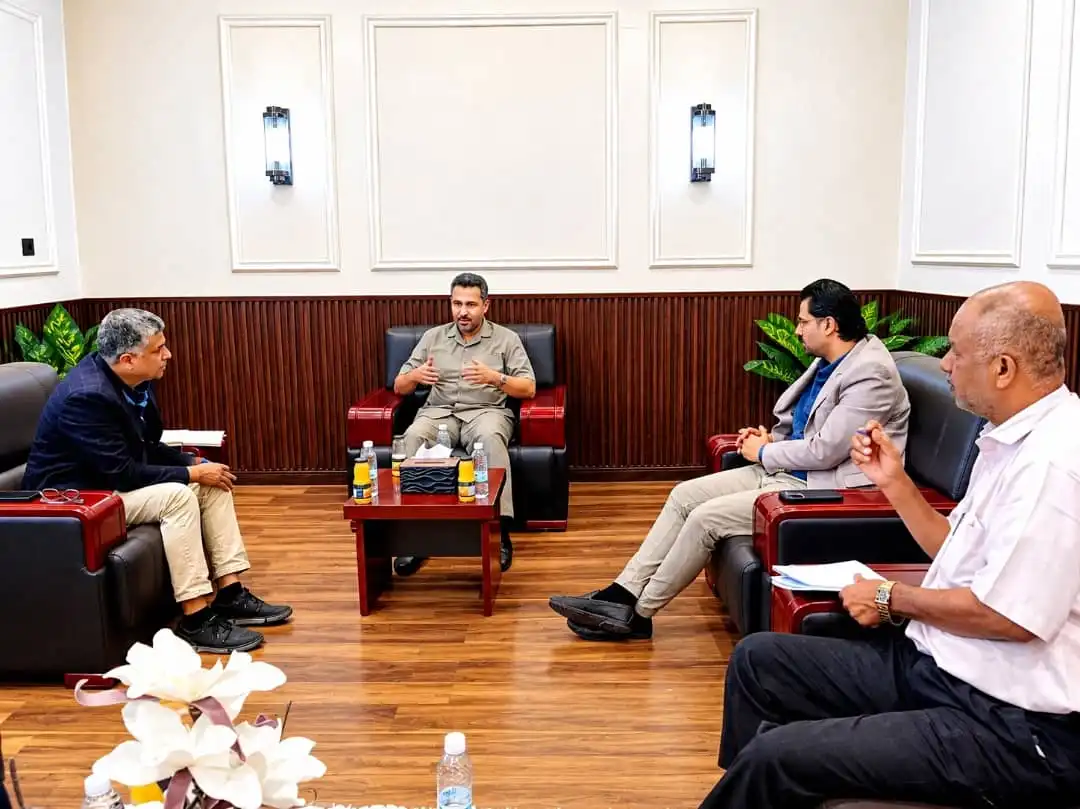
In a separate meeting, Governor Al-Halimi discussed the needs of the Al-Tur Al-Baha General Hospital with a delegation from Médecins Sans Frontières (Doctors Without Borders). They focused on enhancing surgical and emergency services and addressing cases arriving from conflict zones.
The meeting also covered the conditions of the Al-Musaymir General Hospital and the proposed plan for the organization’s support to improve the facility’s readiness to handle medical cases and injuries. This support aims to alleviate the burden on patients who must travel to other areas for necessary care.
Commitment to Health Services
Governor Al-Halimi praised the interventions of Doctors Without Borders in the health sector of Lahij. He reiterated the local authority’s readiness to provide the necessary facilities for the implementation of their programs, ensuring the continuity of agreed-upon services and their delivery to patients and injured individuals, especially in areas facing increased pressure on health institutions.
Signing of Cooperation Agreement
During the meeting, a humanitarian medical cooperation agreement was signed between the local authority of Lahij and Doctors Without Borders regarding the planned interventions at the two hospitals. The agreement was signed on behalf of the government by Dr. Khalid Jaber, Director General of the Ministry of Public Health and Population Office in the province.
To follow the news in Arabic