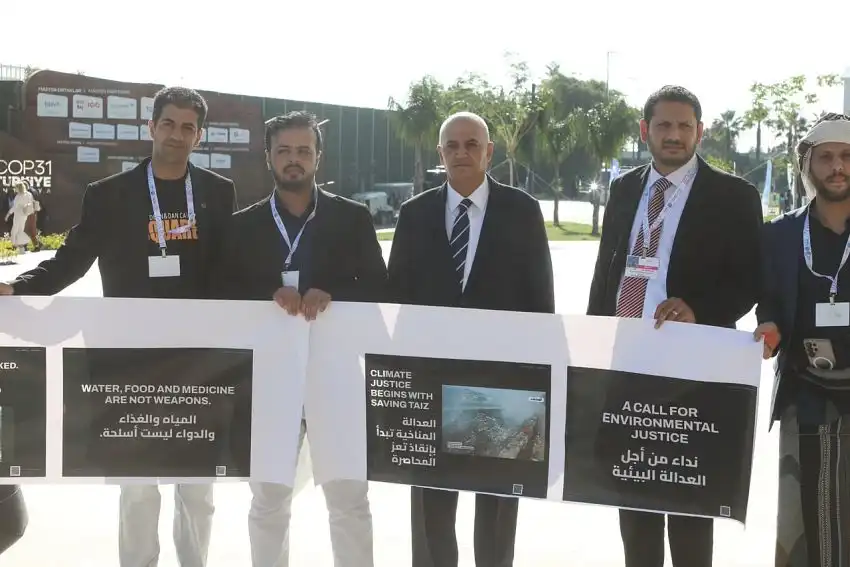
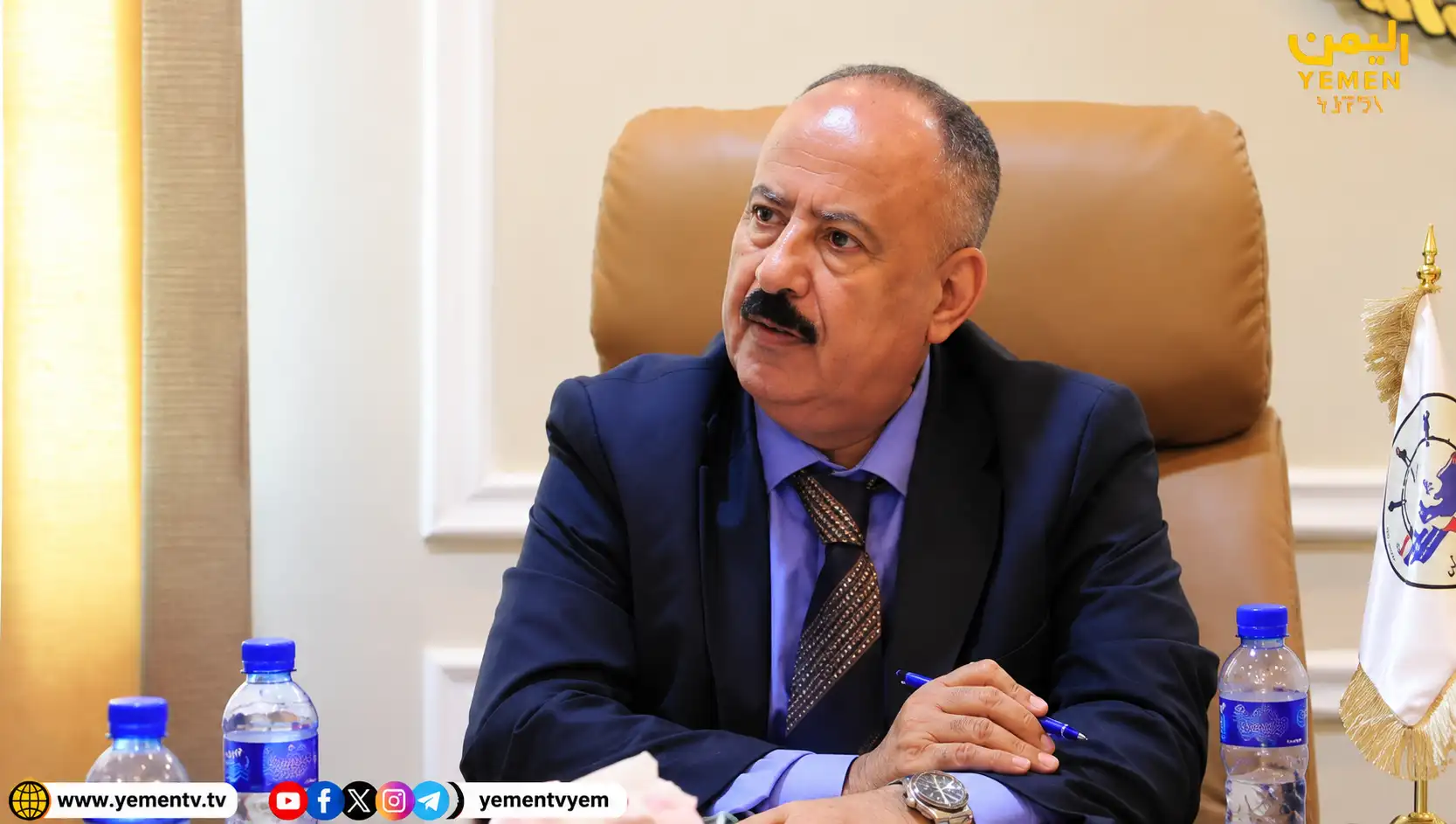
Taiz Governor: Food stock covers only ten percent of residents’ needs, with basic supplies down by up to ninety-seven percent.

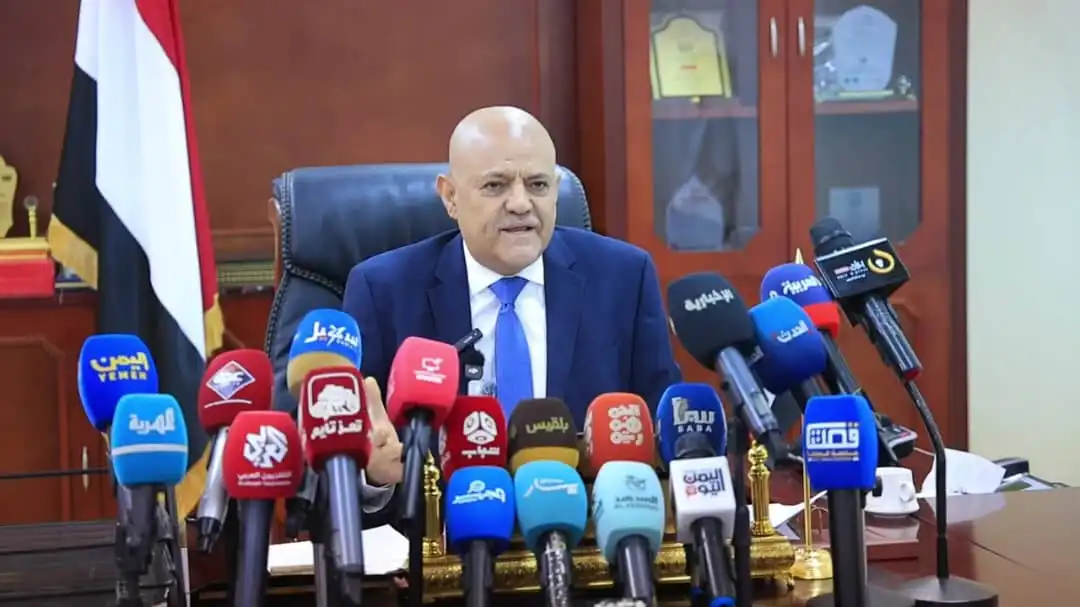
- Food Supply Crisis in Taiz Governor of Taiz, Nabil Shamsan, announced that the available food stock in the city covers only 10 percent of the population's needs.
- Decline in Medical Consultations Shamsan noted a significant decrease in total medical consultations, which fell from 123,105 cases to 90,328 cases over the past five weeks.
- Vaccination and Healthcare Shortages Shamsan warned that 79,268 children under one year old risk missing vaccinations due to depleted stock.
- He urged the United Nations, international organizations, and donors to transform humanitarian warnings into immediate, practical actions.
Food Supply Crisis in Taiz
Governor of Taiz, Nabil Shamsan, announced that the available food stock in the city covers only 10 percent of the population’s needs. He reported a dramatic decline in the supply of essential goods, with food and medicine supplies dropping by 90 percent, gas by 97.3 percent, petroleum by 96.3 percent, and diesel by 97.2 percent. These shortages stem from the ongoing blockade and restrictions on supply movement.
Rising Prices and Increased Living Costs
During a press conference held today in Taiz, Shamsan highlighted that food prices have surged by approximately 60 percent. Additionally, the prices of gas and petroleum derivatives have skyrocketed by around 300 percent. The cost of transportation has also quadrupled, exacerbating the financial burdens on residents.
Decline in Medical Consultations
Shamsan noted a significant decrease in total medical consultations, which fell from 123,105 cases to 90,328 cases over the past five weeks. He expressed concern over the depletion of medications for chronic diseases, particularly insulin and albumin, which threatens approximately 8,000 diabetes patients and 14,000 individuals with chronic illnesses.
Impact on Children and Women
The crisis affects 462,899 children under five years old. Furthermore, 491,583 women of reproductive age have struggled to access reproductive health services, with only 26 percent receiving the necessary care. Additionally, 40,656 pregnant women face challenges in obtaining safe childbirth services.
Vaccination and Healthcare Shortages
Shamsan warned that 79,268 children under one year old risk missing vaccinations due to depleted stock. The number of incubators for newborns has decreased from 160 to 78, and the beneficiaries of newborn care services have dropped from 592 to 288 children.
Malnutrition and Health Issues
The governor reported that the rates of moderate and severe stunting among children under five have reached 43 percent, with 17 percent classified as severely stunted. The region has also recorded 70,977 cases of acute diarrhea and 5,847 cases of lower respiratory infections, amid deteriorating sanitation services and waste burning in residential areas.
Urgent Call for Humanitarian Action
Shamsan warned that the continued decline in essential services and access to healthcare, food, and water signals long-term humanitarian and health repercussions. He urged the United Nations, international organizations, and donors to transform humanitarian warnings into immediate, practical actions. He called for securing the road linking Taiz with Lahij and Aden, lifting restrictions on civilian movement and supplies.
Ensuring Access to Basic Needs
The governor demanded guaranteed access to food, medicine, water, fuel, and humanitarian aid in a safe and regular manner. He emphasized the need to support the operation of hospitals, bakeries, and sanitation facilities, facilitate patient transfers and emergency cases, expand food and cash assistance programs, and enhance the protection of civilians and children.
Military Developments
In military matters, Shamsan expressed confidence in the political leadership’s decisions regarding repositioning and restructuring the operational theater. He believes these measures aim to reorganize the fronts, strengthen their cohesion, and create conditions to lift the blockade on Taiz while protecting the temporary capital, Aden, and neighboring provinces.
Acknowledgment of Local Resilience
Shamsan praised the resilience of the people of Taiz, as well as the efforts of service facility workers, medical teams, relief workers, and volunteers. He reiterated that protecting the lives, dignity, and rights of residents is a national and humanitarian responsibility, renewing the call to open supply routes and enable citizens to access food, water, medical care, and safety.
To follow the news in Arabic