Your smartphone alerts you when the doorbell rings or when babies cry. New features in iPhone and Android.

- These features are integrated into accessibility tools designed to assist users.
- Additionally, it provides benefits to all users by alerting them to important sounds while they are busy or using headphones.
- Users can also train their devices to recognize custom sounds, such as specific household appliances or unique doorbells.
- Customization and Privacy Users can activate these features through the accessibility settings on their devices.
New Features in iPhones and Androids Alert Users to Surrounding Sounds
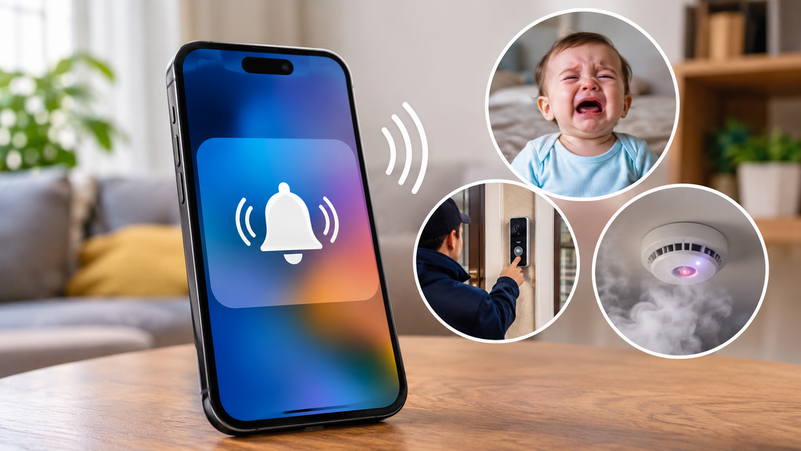
Smartphones, including iPhones and Android devices, now offer users the ability to recognize surrounding sounds and send instant alerts when detecting specific noises, such as doorbells, crying babies, and alarm sirens. These features are integrated into accessibility tools designed to assist users.
Sound Recognition Technology
These features utilize the phone’s microphone to monitor and analyze ambient sounds. This technology aims to help individuals who are deaf or hard of hearing stay aware of their surroundings. Additionally, it provides benefits to all users by alerting them to important sounds while they are busy or using headphones.
Apple’s Sound Recognition Feature
Apple offers a feature called “Sound Recognition” in its iPhones. This tool detects sounds like doorbells, alarm sirens, and crying babies, sending notifications when these sounds are recognized. Users can also train their devices to recognize custom sounds, such as specific household appliances or unique doorbells.
Android’s Sound Notifications
Conversely, Android phones equipped with the “Sound Notifications” feature can identify a wide range of sounds. This includes fire alarms, smoke detectors, crying babies, barking dogs, door knocks, landline phone rings, and sounds from household appliances or running water.
Customization and Privacy
Users can activate these features through the accessibility settings on their devices. They can customize the types of sounds they want to detect and choose their preferred notification method, whether through alerts, vibrations, or camera light flashes.
Both Apple and Google emphasize that sound processing occurs on the device itself. They do not send audio recordings or conversations to company servers, thereby enhancing user privacy.
Important Safety Reminder
Both companies stress that these features serve as additional assistive tools for alerts and should not replace dedicated fire alarm systems or other safety measures designed for emergency situations.
To follow the news in Arabic