The Minister of Industry and Trade stated that enhancing exports is a strategic priority for economic recovery.

- Minister of Industry and Trade Highlights Export Development as a Strategic Priority for Economic Recovery Dr.
- Attendees included representatives from various ministries, government institutions, chambers of commerce, the private sector, the European Union, OECD, the World Bank, and local and international development partners.
- However, he acknowledged that their development faces challenges, including weak institutional coordination, high transportation and logistics costs, limited inspection and accreditation capabilities, and difficulties in accessing financing and marketing information.
- The goal is to translate dialogue outcomes into practical and sustainable actions that positively impact producers, farmers, and fishermen across various governorates.
Minister of Industry and Trade Highlights Export Development as a Strategic Priority for Economic Recovery
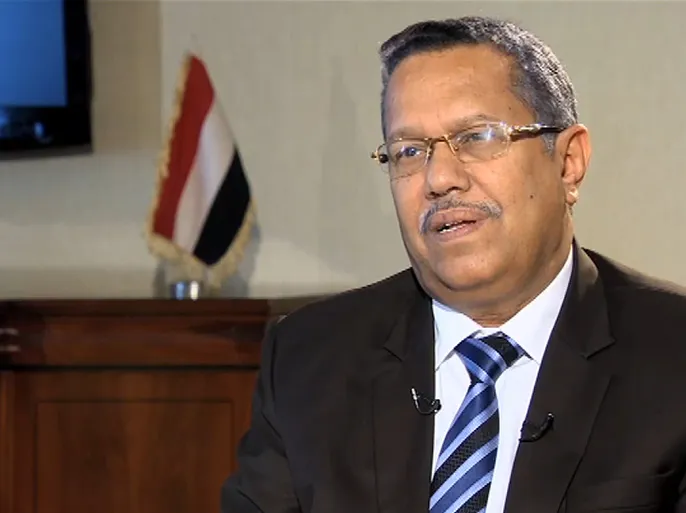
Dr. Mohammed Al-Ashwal, the Minister of Industry and Trade, emphasized that export development represents a strategic priority for economic recovery. He noted that enhancing national production, creating job opportunities, and increasing foreign currency reserves are essential goals.
Opening of Public-Private Dialogue on Export Policy
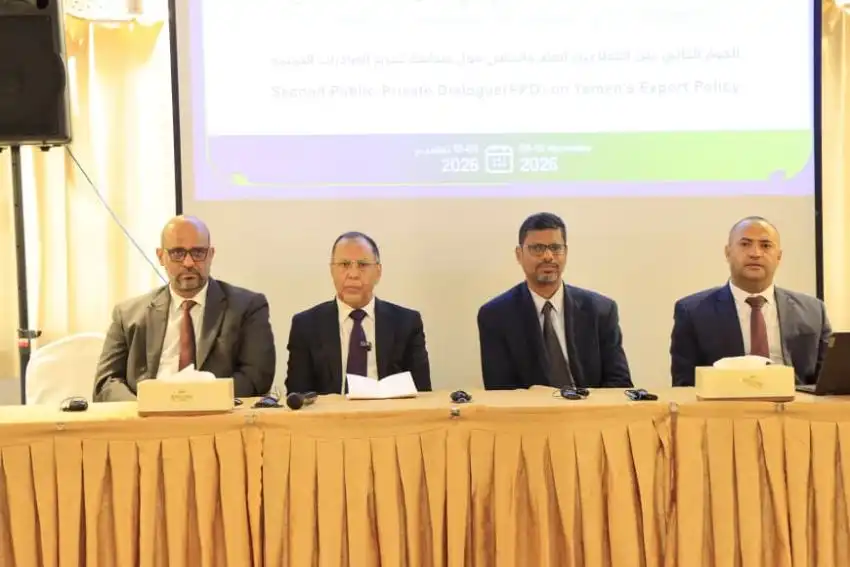
This statement came during the opening of the second dialogue between the public and private sectors regarding export policy in Yemen. The event took place today in the temporary capital, Aden. The Organization for Economic Cooperation and Development (OECD) organized the dialogue in collaboration with Deep Root Company, with support from the European Union. Attendees included representatives from various ministries, government institutions, chambers of commerce, the private sector, the European Union, OECD, the World Bank, and local and international development partners.
Discussions on Export Challenges and Opportunities
The event aimed to formulate practical recommendations and a roadmap to enhance Yemeni exports and develop their competitive capabilities. Participants discussed the findings of the diagnostic report on exports, export obstacles, national policy development priorities, quality improvement mechanisms, trade facilitation, market access, and financing.
Minister Al-Ashwal Calls for Investment in Promising Export Sectors
Minister Al-Ashwal stressed the importance of leveraging promising export capabilities and transforming them into sustainable economic opportunities. He highlighted that Yemeni products should gain a stronger presence in regional and international markets. He pointed out that sectors such as fisheries, coffee, honey, and agricultural and food products hold significant export potential. However, he acknowledged that their development faces challenges, including weak institutional coordination, high transportation and logistics costs, limited inspection and accreditation capabilities, and difficulties in accessing financing and marketing information.
Transitioning from Diagnosis to Action
The minister called for a shift from merely diagnosing obstacles to addressing them through a comprehensive national policy. This policy should foster partnerships between the government and the private sector, enhance quality and standards systems, facilitate export procedures, and improve logistics services. He urged the private sector to invest in promising productive sectors, expand manufacturing, and add value to local products instead of exporting raw materials.
Commitment to National Export Policy
Minister Al-Ashwal reaffirmed the ministry’s commitment to leading efforts to finalize the national export policy. This initiative will occur in coordination with government entities, the private sector, and development partners, following clear and measurable priorities and implementation pathways. The goal is to translate dialogue outcomes into practical and sustainable actions that positively impact producers, farmers, and fishermen across various governorates.
European Union’s Support for Yemeni Exports
Thierry Moyer, Head of Cooperation at the European Union Delegation to Yemen, confirmed the EU’s interest in supporting efforts to develop Yemeni exports and enhance their competitiveness. He expressed readiness to provide technical assistance and facilitate trade links with European stakeholders. Moyer highlighted Yemen’s promising opportunities in agriculture, industry, and fisheries, emphasizing the importance of improving product quality to meet international standards for market access.
Importance of Dialogue and Institutional Collaboration
Moyer also noted the significance of dialogue in exchanging experiences, discussing technical studies, and proposed policies while benefiting from successful international experiences. He reiterated the EU’s commitment to continue supporting export development efforts, facilitating trade, and enhancing the integration of Yemeni products into regional and international markets.
Institutional Efforts and Private Sector Partnership
The event included speeches from representatives of the Ministries of Industry and Trade, Agriculture and Irrigation, and Fisheries, as well as Rafael Trebasso, the technical team leader for the Economic Resilience Enhancement Project at the OECD. Overall, the speeches underscored the importance of institutional collaboration and strengthening partnerships with the private sector.
To follow the news in Arabic