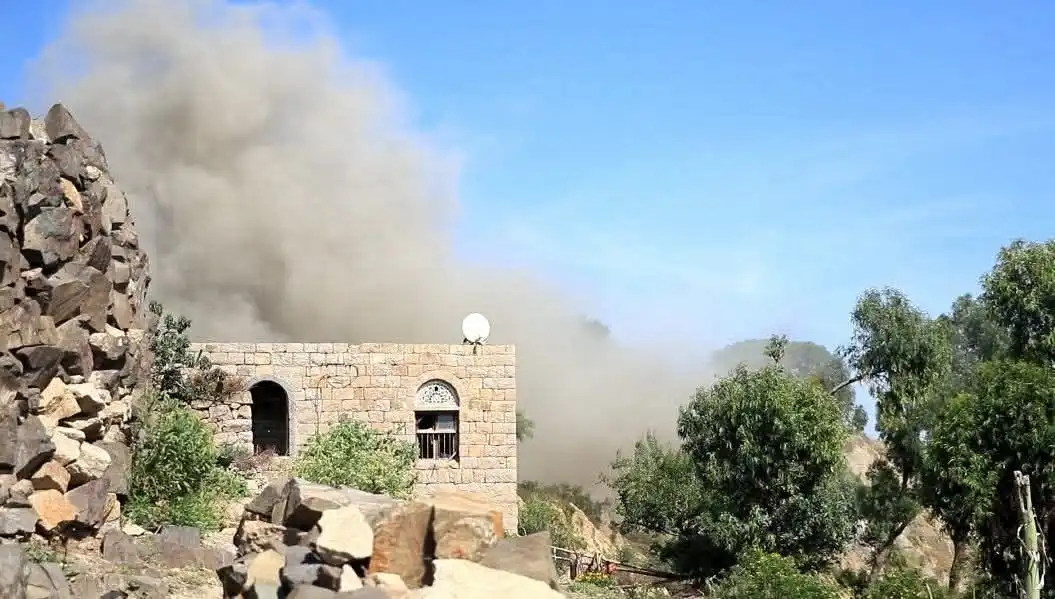
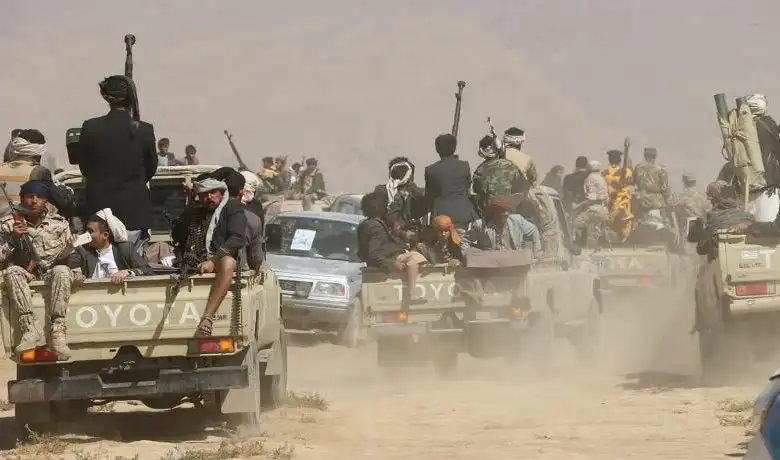
The Yemeni Network for Rights documented 42 Houthi violations in Taiz within 48 hours, resulting in four civilian deaths and seven injuries.

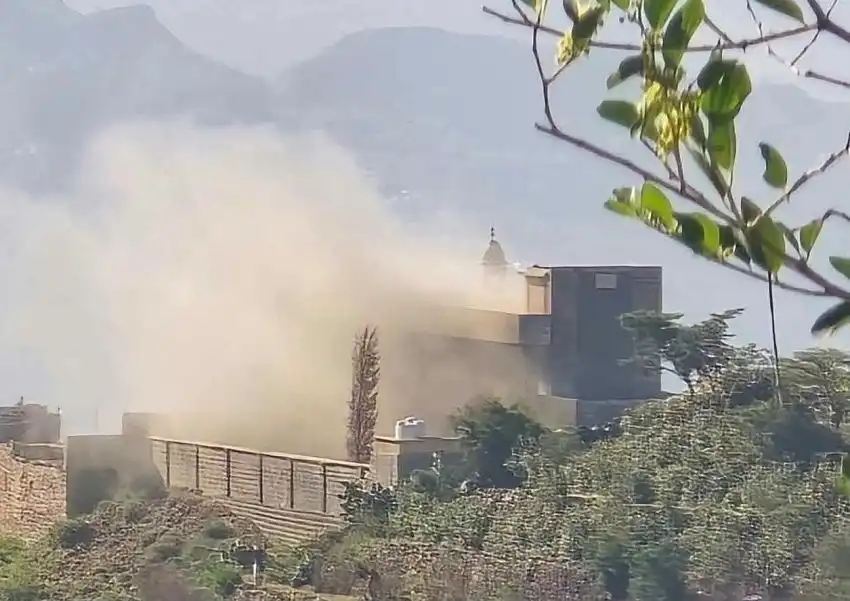
- The militia launched approximately 369 projectiles at residential areas, resulting in the deaths of four civilians and injuries to seven others, including two children.
- Additionally, the fuel and medical supply crisis threatens the lives of 192 patients in intensive care units and 154 infants in incubators.
- Furthermore, it disrupts services for tuberculosis patients and centers caring for malnourished children.
- The accumulation of waste and sewage overflow results from the militia's targeting of civilians and public services.
Houthi Violations in Taiz Documented by Yemeni Rights Network
The Yemeni Network for Rights and Freedoms reported that the Iranian-backed Houthi militia committed 42 crimes and violations in Taiz Governorate over the past 48 hours. The militia launched approximately 369 projectiles at residential areas, resulting in the deaths of four civilians and injuries to seven others, including two children. This escalation coincides with the ongoing blockade that hampers the delivery of essential medicines, fuel, and supplies.
Details of Violations
In its report, the network detailed various violations, including the abduction of eight citizens from their homes and businesses in the Al-Kalaiba area of the Mafer District. The militia also raided and looted eight homes, stormed the residence of Colonel Taha Al-Qudsi in the Al-Batna village of the Mawasit District, and vandalized a citizen’s home in the Al-Aqroud area, causing significant damage.
Impact on Healthcare
The report highlighted that around 1,280 patients suffering from kidney failure face the risk of treatment interruption due to a shortage of dialysis supplies. Additionally, the fuel and medical supply crisis threatens the lives of 192 patients in intensive care units and 154 infants in incubators.
The network documented damage to two hospitals, four medical centers, and three drug warehouses, including Al-Safwa Hospital, which serves over 50,000 patients. It emphasized that 42 healthcare facilities experience severe shortages of medical supplies and fuel.
Essential Medicines and Services Affected
The network confirmed that the blockade deprives patients of essential and life-saving medications, including insulin, kidney failure treatments, emergency care, hemophilia, thalassemia, and psychiatric medications. Furthermore, it disrupts services for tuberculosis patients and centers caring for malnourished children.
The report noted that 20 percent of maternity and prenatal clinics have closed, denying hundreds of cases access to medical services. Vaccination centers have also halted operations, leaving approximately 3,600 children without essential vaccines, alongside disruptions in various women and children’s healthcare services.
Health and Environmental Crisis Warning
The network warned of worsening health and environmental conditions in the governorate, indicating that over 45,000 people lack access to malaria testing. The accumulation of waste and sewage overflow results from the militia’s targeting of civilians and public services.
Call for Action
The Yemeni Network for Rights and Freedoms called for an end to the targeting of civilians and healthcare facilities, urging the lifting of the blockade on Taiz. It demanded the safe passage of ambulances, medicines, fuel, and humanitarian aid. The network appealed to the United Nations and international organizations for urgent intervention to support health and humanitarian services in the governorate.
The network stressed that the ongoing Houthi bombardment and blockade threaten to escalate into a humanitarian disaster in Taiz, warning that civilians, especially children, women, and patients, will bear the brunt of these violations.
To follow the news in Arabic