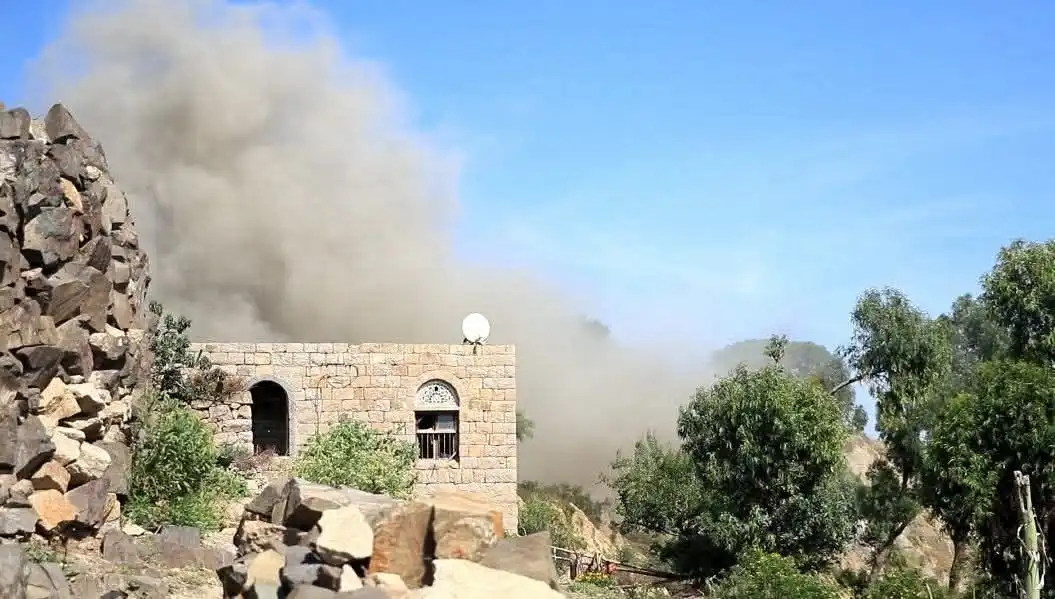
The Houthi siege of Taiz threatens the lives of over one thousand kidney failure patients, worsening the humanitarian crisis.

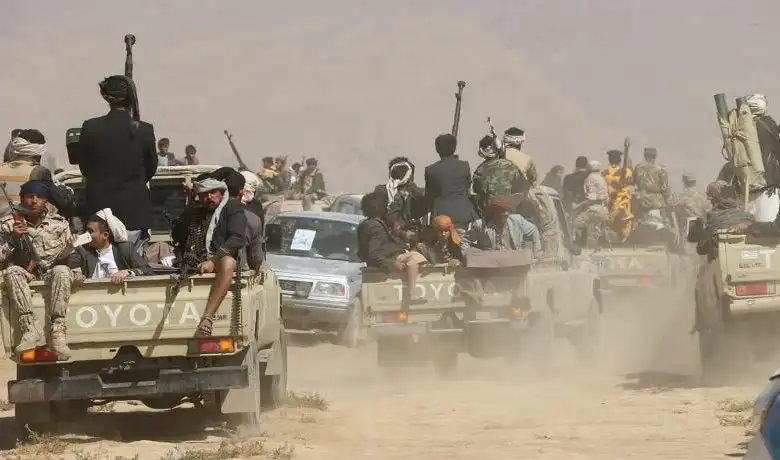
- Humanitarian Crisis in Taiz Intensifies Due to Houthi Siege The Monitoring Organization for Rights and Freedoms has issued a stark warning regarding the worsening humanitarian crisis in Taiz.
- This situation arises from a lack of fuel and medical supplies, which has diminished the capacity of health facilities to continue providing essential services.
- Food Insecurity and Humanitarian Access The Monitoring Organization for Rights and Freedoms also noted that the World Food Program's assistance has failed to reach approximately 600,000 individuals in Taiz.
- This crisis jeopardizes civilian lives amid the rapidly deteriorating living and health conditions.
Humanitarian Crisis in Taiz Intensifies Due to Houthi Siege
The Monitoring Organization for Rights and Freedoms has issued a stark warning regarding the worsening humanitarian crisis in Taiz. The organization attributes this crisis to the siege imposed by the Houthi militia and the closure of supply routes since October 4, 2026. More than 1,110 patients suffering from kidney failure now face severe risks due to a shortage of dialysis supplies, with a daily requirement of approximately 120 dialysis sessions.
Threat to Critical Health Services
In its statement, the organization highlighted that the siege endangers the lives of 192 patients in intensive care units and 154 infants in incubators. This situation arises from a lack of fuel and medical supplies, which has diminished the capacity of health facilities to continue providing essential services.
Currently, 98 health facilities operate partially or are completely out of service. Additionally, 42 health establishments face acute shortages of medical supplies and oxygen. The organization warns that the fuel crisis could lead to the suspension or reduction of services in 12 hospitals and health centers.
Food Insecurity and Humanitarian Access
The Monitoring Organization for Rights and Freedoms also noted that the World Food Program’s assistance has failed to reach approximately 600,000 individuals in Taiz. This figure is part of a larger group of 800,000 people in Yemen affected by the disruption of humanitarian access. Consequently, this situation exacerbates the suffering of residents and threatens food security in the city.
Escalating Health and Environmental Risks
The organization emphasized that the ongoing siege obstructs patients’ access to treatment and intensifies shortages of food, medicine, fuel, and water. This crisis jeopardizes civilian lives amid the rapidly deteriorating living and health conditions.
Furthermore, the organization warned that water shortages and the accumulation of waste in residential areas pose significant health and environmental risks. These conditions could lead to the spread of diseases, including acute watery diarrhea, dengue fever, malaria, and various skin and respiratory illnesses.
Impact on Emergency Services
The Monitoring Organization for Rights and Freedoms stressed that shortages of fuel, medicine, and medical supplies threaten the continuity of emergency services, dialysis treatment, cancer care, and neonatal care. This situation further exacerbates the suffering of patients and vulnerable groups in the besieged city.
To follow the news in Arabic