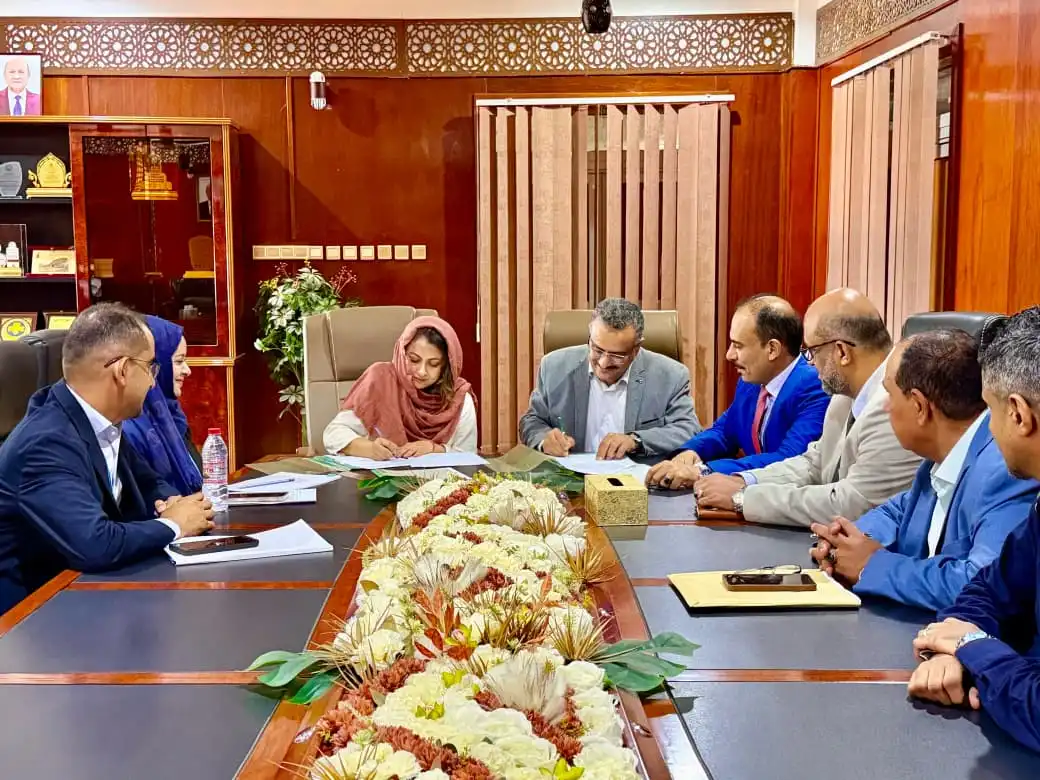
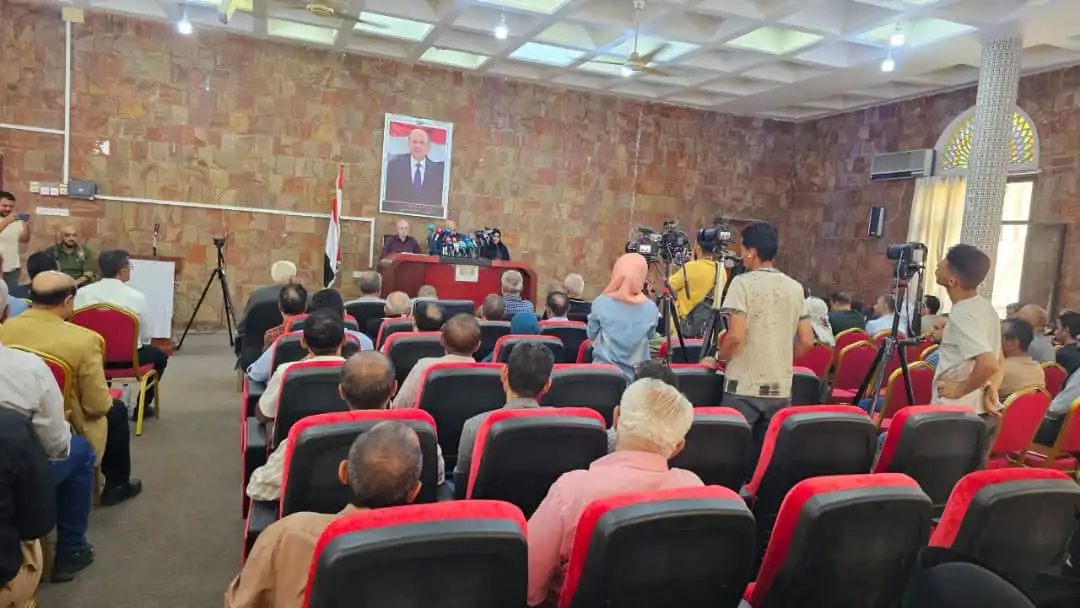
The Minister of Transport chaired a meeting of the committee focused on closing smuggling outlets and regulating maritime ports.

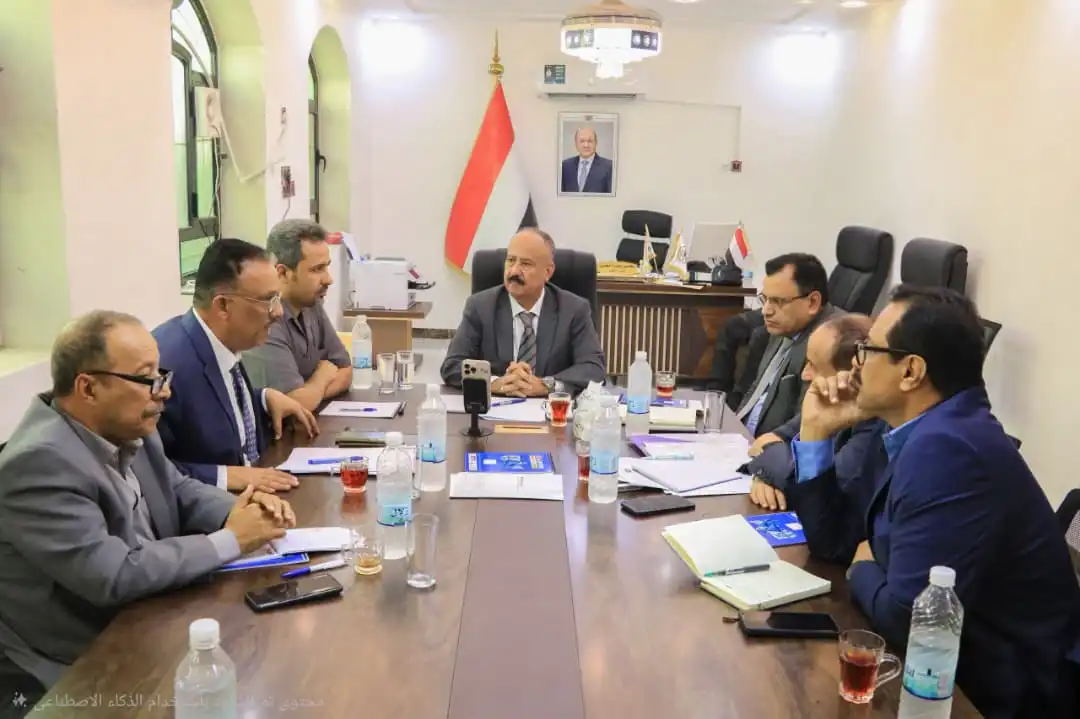
- A committee met in Aden to discuss closing smuggling ports and regulating maritime activities.
- Minister of Transport Mohsen Al-Omari led the review of ports in Lahij, Shabwa, Hadramaut, and Al-Mahra.
- The committee agreed to organize operations at Ras Al-Ara Port and develop necessary infrastructure.
- Al-Shahr Port will focus on fisheries, while Nashatoon Port will regulate consumer goods and fuel imports.
Committee Discusses Closure of Smuggling Ports
A committee formed under the directives of the Prime Minister convened today in the temporary capital of Aden to evaluate the implementation of Presidential Leadership Council Decision No. 11 for the year 2025, which pertains to the closure of smuggling ports. The meeting, led by Minister of Transport Mohsen Al-Omari, focused on assessing the status of several maritime ports in the provinces of Lahij, Shabwa, Hadramaut, and Al-Mahra.
Review of Maritime Ports
The meeting included Minister of Agriculture, Irrigation, and Fisheries Salem Al-Suqutri, Lahij Governor Murad Al-Halimi, Shabwa Governor Awad Bin Al-Wazir via video call, Hadramaut Deputy Governor Riyad Al-Juhari, and Al-Mahra Deputy Governor Mukhtar Bin Oid. Participants discussed the results of field visits, oversight activities, and measures to prevent smuggling. They also reviewed the organization of goods and fuel movement to ensure that provincial needs are met, support economic activity, and enhance the role of ports in serving fishermen and legitimate trade.
Decisions on Port Operations
The committee, which included Captain Ali Al-Sabhi, Deputy Minister of Transport for Maritime Affairs and Ports, Customs Authority Chairman Abdul Hakim Al-Qabati, and Engineer Fadl Al-Ban, Deputy Chairman of the Customs Authority for Customs Control and Anti-Smuggling, agreed to organize the operations of Ras Al-Ara Port in Lahij. They will prepare a study for establishing a port and necessary infrastructure, as well as a customs center to provide regulatory and health services. A committee comprising members from the transport sector, local authority, and customs will set guidelines for acceptable imports and exports.
Development of Qana Port
Regarding the Qana Port project in Shabwa, the committee emphasized the need to complete technical procedures and studies required for the port’s establishment. They will also seek funding sources to implement the first phase, which includes constructing a 100-meter-long dock and a wave barrier. Additionally, they will study the organization of fuel imports through the port to meet provincial needs according to approved regulations.
Regulation of Al-Shahr and Nashatoon Ports
The committee decided to limit Al-Shahr Port’s activities in Hadramaut to fisheries and services for fishermen, prohibiting the reception of commercial goods. This decision aims to organize port activities and enhance Al-Mukalla Port’s role in handling commercial goods, including loading and unloading shipments to and from Socotra Archipelago Port. Furthermore, they stressed the need to regulate Nashatoon Port in Al-Mahra, restricting its operations to the import of consumer goods and fuel to meet provincial needs, based on approved quantities and permits from relevant authorities, while continuing to accommodate fishing vessels.
Importance of Coordination
The meeting underscored the importance of coordination among government entities, local authorities, regulatory agencies, and security forces to implement decisions governing maritime port operations. This coordination aims to reduce smuggling and ensure that import and export operations comply with legal procedures.
To follow the news in Arabic