The Bank of Japan raises interest rates to 1% for the first time since 1995.

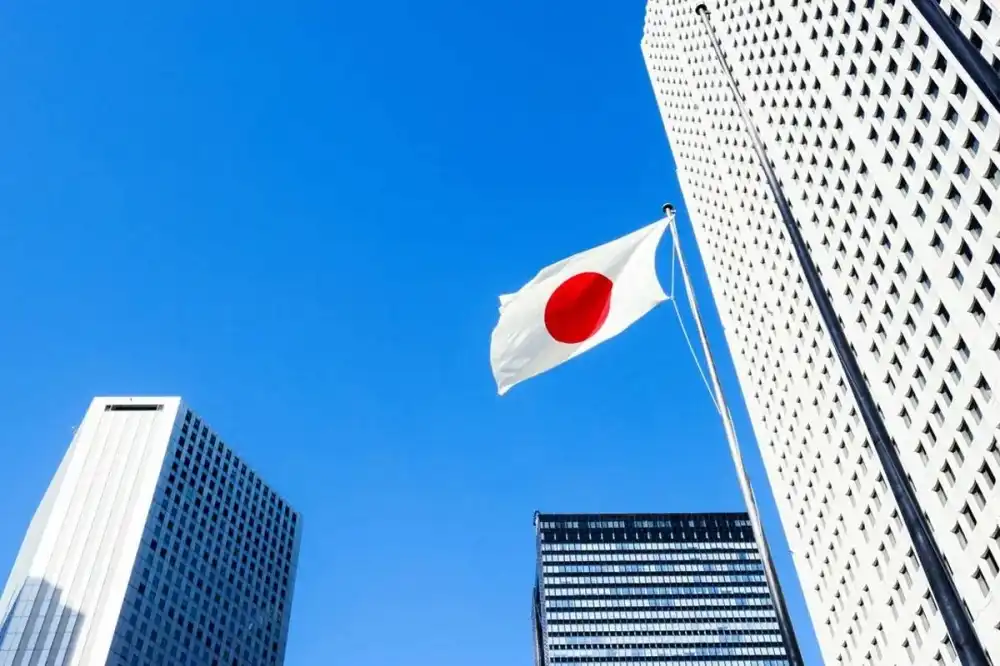
Bank of Japan Raises Interest Rate to 1% for First Time Since 1995
The Bank of Japan has raised its key interest rate to 1%, marking the highest level since 1995. This decision aims to address the weakening yen and curb inflation that has plagued the country for over two years. The move aligns with a global trend among central banks, including the European Central Bank and Bank Indonesia, which have also taken similar actions.
Rising Inflation and Energy Pressures
Since spring 2022, Japan has experienced a continuous rise in consumer prices, with inflation surpassing 2%. This situation prompted the Bank of Japan to gradually abandon its zero and negative interest rate policies that have been in place since 2024. The central bank has warned that the impact of rising crude oil prices is accelerating in corporate transactions, potentially leading to increased prices for a wide range of consumer goods and food items.
Expectations for Further Increases
Economist Marcel Thieliant from Capital Economics anticipates another interest rate hike in October. He predicts that the rate could reach 2% by the end of 2027, reflecting ongoing inflationary and economic pressures facing Japan.
Impact of the Decision on the Japanese Economy
Raising the interest rate represents a significant step in efforts to stabilize the currency and improve economic conditions. This decision is expected to affect various economic sectors, including investments and financing. Additionally, a shift toward a more stringent monetary policy may enhance confidence in the Japanese market, especially amid existing challenges.
The post Bank of Japan Raises Interest Rate to 1% for First Time Since 1995 appeared first on Yemen TV.
To follow the news in Arabic