- Consumers in the Eurozone are increasingly responsive to geopolitical disruptions, per ECB study.
- The Iran war has led to unprecedented disruptions in Europe's energy supplies since February 2026.
- Nearly half of consumers monitored price changes in March 2026, indicating heightened economic anxiety.
- Economists warn of potential stagflation affecting household spending amid ongoing geopolitical uncertainties.
Consumers in the Eurozone Respond to Geopolitical Turmoil
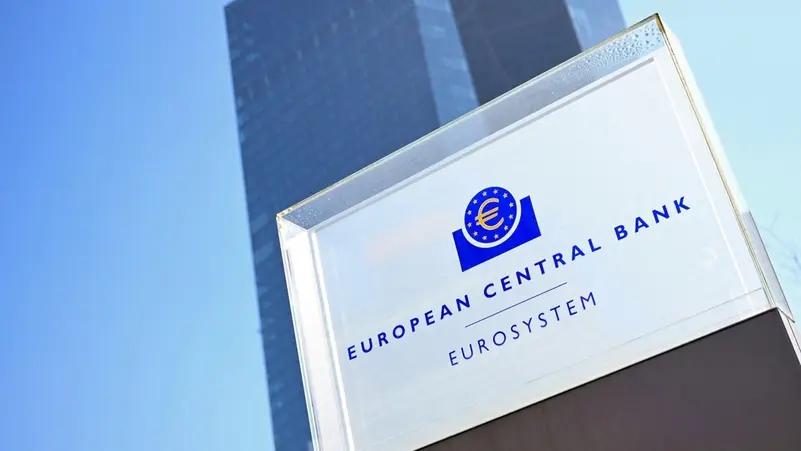
A recent study conducted by the European Central Bank highlights a notable trend among consumers in the Eurozone: an increasing responsiveness to geopolitical and economic disruptions. Following the outbreak of the Iran war, many consumers adjusted their spending and saving behaviors almost immediately. This reaction suggests that the economic repercussions may be more severe and immediate than those observed during previous crises.
Impact of War on Energy Supplies
The study underscores the precarious situation Europe finds itself in, having only recently emerged from an energy crisis and inflation surge resulting from Russia’s invasion of Ukraine in 2022. The current conflict, which began on February 28, 2026, has introduced unprecedented disruptions to energy supplies. These ongoing challenges pose a significant threat to the economic stability of the region, raising concerns among policymakers and consumers alike.
Consumer Focus on Prices Amid Economic Uncertainty
A survey on consumer expectations conducted by researchers revealed that nearly half of the respondents closely monitored price changes in March 2026. This statistic mirrors the inflationary pressures faced in January 2023, when inflation reached 8.6%. Currently, while inflation stands at approximately 2%, consumer anxiety regarding the economic landscape remains pronounced.
Economists have cautioned that the financial “scars” left by these crises may lead consumers to anticipate further price increases and sluggish economic growth. This scenario raises the specter of potential stagflation, which could adversely affect household spending in the months ahead. Additionally, the ongoing conflicts and increasing uncertainty in the macroeconomic environment are likely to foster a more cautious consumer outlook.
Conclusion
In summary, the study illustrates that consumer behavior in the Eurozone has become increasingly sensitive to economic disruptions, particularly in light of recurring crises such as the Iran war. This trend places additional pressure on the European economy, underscoring the urgent need for strategic responses to stabilize the situation. For more insights, visit Yemen TV.