Israeli Airstrikes in Southern Lebanon Result in 11 Fatalities Amid Rising Tensions

- Israeli airstrikes in southern Lebanon resulted in 11 deaths and 11 injuries.
- A strike in Sir al-Gharbiyeh killed nine civilians, including a child and six women.
- The current fighting between Israel and Hezbollah has claimed over 3,000 lives.
- Escalating hostilities threaten regional security and complicate humanitarian conditions for civilians.
Israeli Airstrikes Claim Lives in Southern Lebanon
Recent Israeli airstrikes targeting various regions in southern Lebanon have resulted in the deaths of 11 individuals and left an additional 11 injured. This incident marks a significant escalation in the ongoing cycle of attacks between Israel and Hezbollah, occurring despite a fragile ceasefire agreement brokered by the United States.
Victims and Targeted Areas
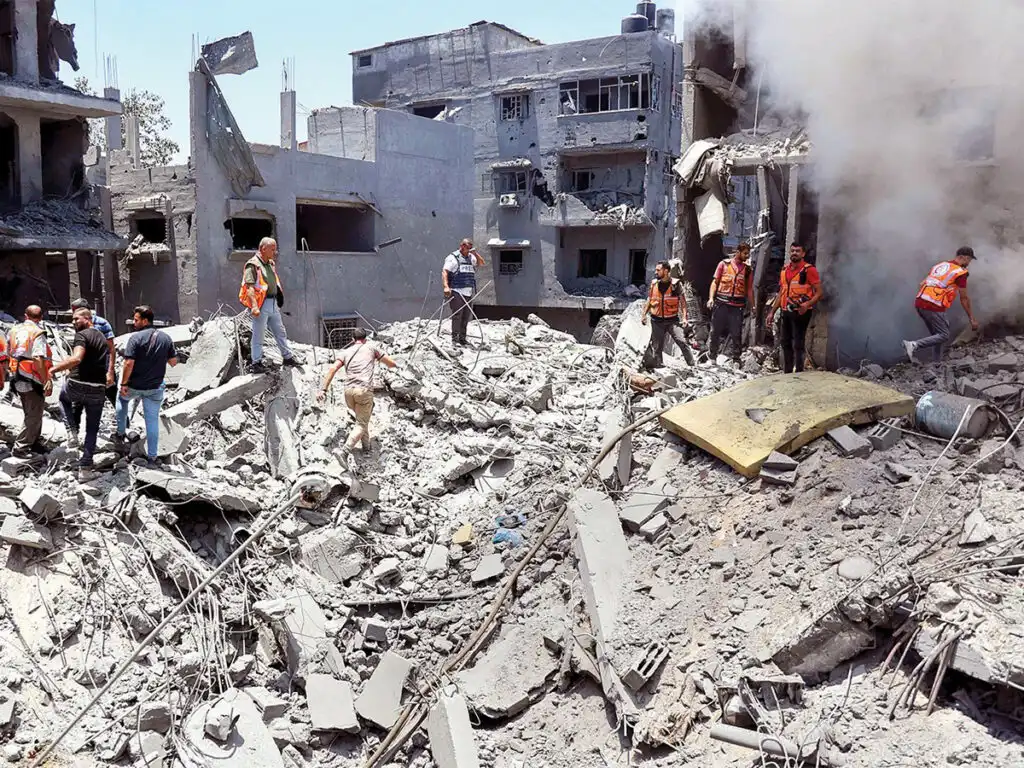
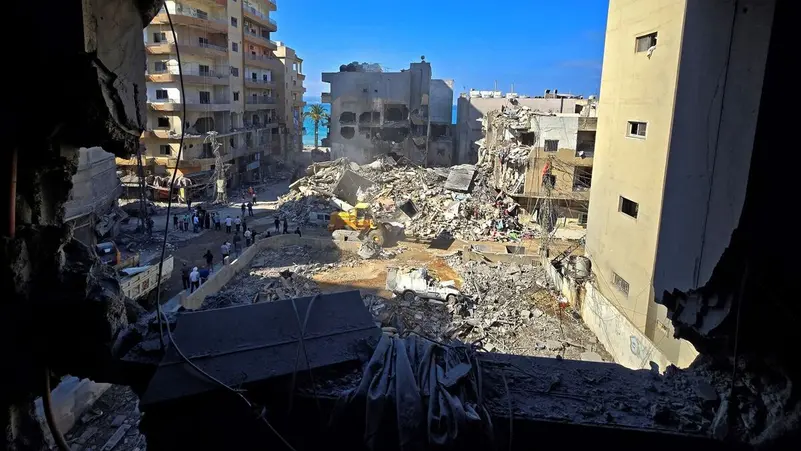
According to the National News Agency, an airstrike aimed at the town of Sir al-Gharbiyeh in the Nabatieh district led to the deaths of nine civilians, including a child and six women. The attack completely destroyed a three-story building, prompting civil defense teams to work throughout the night to clear debris and recover the bodies of victims. Seven injured individuals were subsequently transported to hospitals in Nabatieh.
In addition to the strike in Sir al-Gharbiyeh, an airstrike on the town of Tora in the Tyre district resulted in the death of one woman and injuries to two others. Another strike in al-Bazourieh claimed one life and injured two more individuals. These incidents are indicative of a troubling escalation in hostilities between the two sides.
Ongoing Escalation Despite Ceasefire
The exchange of attacks has persisted despite a ceasefire that initially took effect on April 17 and was extended last week for an additional 45 days. Current statistics indicate that the ongoing conflict between Israel and Hezbollah has claimed over 3,000 lives, underscoring the severity of the situation and the precariousness of regional stability.
This military escalation poses significant threats to security and stability in the Middle East, complicating peace efforts and worsening humanitarian conditions for civilians in conflict zones. Concerns are mounting that continued hostilities could lead to broader regional implications, potentially involving neighboring countries.
Conclusion
Recent events in southern Lebanon highlight the persistence of high tensions, with continued attacks from both sides. The urgent need for de-escalation and a movement toward political solutions is critical, particularly in light of the dire humanitarian conditions faced by civilians in affected areas.
For more information, visit Yemen TV.